About the Author

Jaclyn De Candio
Articles by Jaclyn De Candio

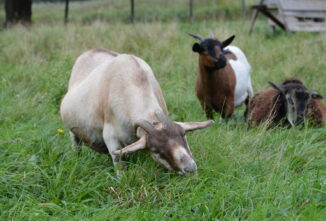
Goat Pregnancy Health and Nutrition
The months of goat pregnancy can fly by, and while good nutrition throughout is important, the final stretch is especially critical.
Read More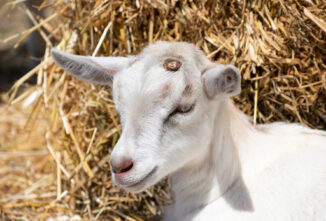
Disbudding Disasters: When Disbudding Goes Wrong
Add to Favorites Disbudding, and by extension dehorning, is one of the less pleasant, but sometimes necessary, aspects of raising goats. While relatively simple, it’s not always easy. Even experienced …
Read More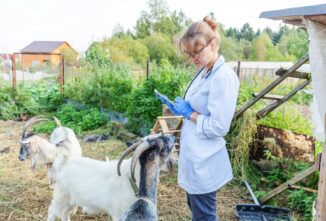
Off-Label Medications for Goats
Add to Favorites Medical treatments and finding appropriate products for them are among the most frustrating aspects of goat rearing. The harsh reality is that here in the U.S., goats …
Read More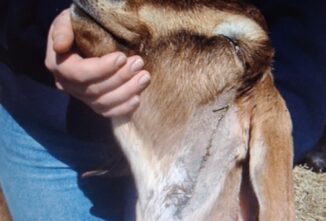
Responding to Traumatic Goat Injuries
Add to Favorites Goat injuries happen no matter how careful you are. learn how to prepare for the treatment of different injuries that goats can end up with. You can …
Read More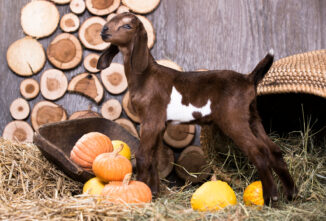
Healthful Herd: Annual Disease Testing
Don’t overlook annual disease testing, even if you have a closed herd, because the reality is that pathogens don’t respect fences.
Read More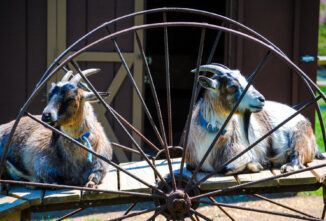
Gut Microbiome and Goat Health
Add to Favorites Anyone who’s kept goats for any length of time has learned the importance of understanding the basics of gut health. As ruminants with a four-chambered stomach that …
Read More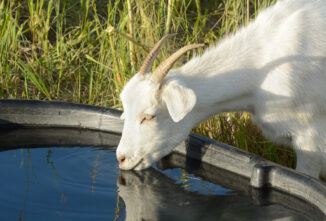
Healthful Herd: Hydration and Water Quality for Goats
Add to Favorites Water quality for goats is an important factor to consider. Water is perhaps the most basic nutrient that goats need at all stages of life and production. …
Read More
Sick Goat: Trouble Shooting for Treatment
Add to Favorites Dealing with a sick goat is never a pleasant thing. It can be intimidating, especially for new goat owners, who may panic with the tasks that come …
Read More
How Weather Impacts Forages
Add to Favorites Feed can be the most significant expense in raising goats, often exceeding other costs. There’s plenty of pressure to strike a balance between cost and nutrition, but …
Read More
Buying Goats With Unknown Backgrounds
Add to Favorites In an ideal world, all new additions to your herd will be fully vaccinated, in good health, have complete health histories, and come from trustworthy sellers. Of …
Read MoreGoat Journal has Transitioned
Goat Journal Lives On with Countryside & Small Stock Journal
Goat Journal is no longer available as a standalone subscription, but its spirit and expertise live on within Countryside & Small Stock Journal. When you subscribe to Countryside, you also gain full access to Goat Journal's website and archive as a bonus — every article and back issue, plus members-only Goat Notes and more! And with Countryside as your guide, you’ll have the knowledge you need to live a more self-reliant, satisfying life.
- Raise healthy animals from pasture to plate
- Grow and preserve the most nutritious food for you and your family
- Cook simply and naturally
- Build things yourself and take pride in your handiwork
- Treat ailments naturally and take control of your own health and longevity
- Fix what is broken so you get the most out of your investments
- Create your own certainty in an uncertain world
- And more!

Canadian Subscribers • International Subscribers
Canadian subscriptions: 1 year (includes postage & GST)