Healthful Herd: Hydration and Water Quality for Goats
Reading Time: 5 minutes
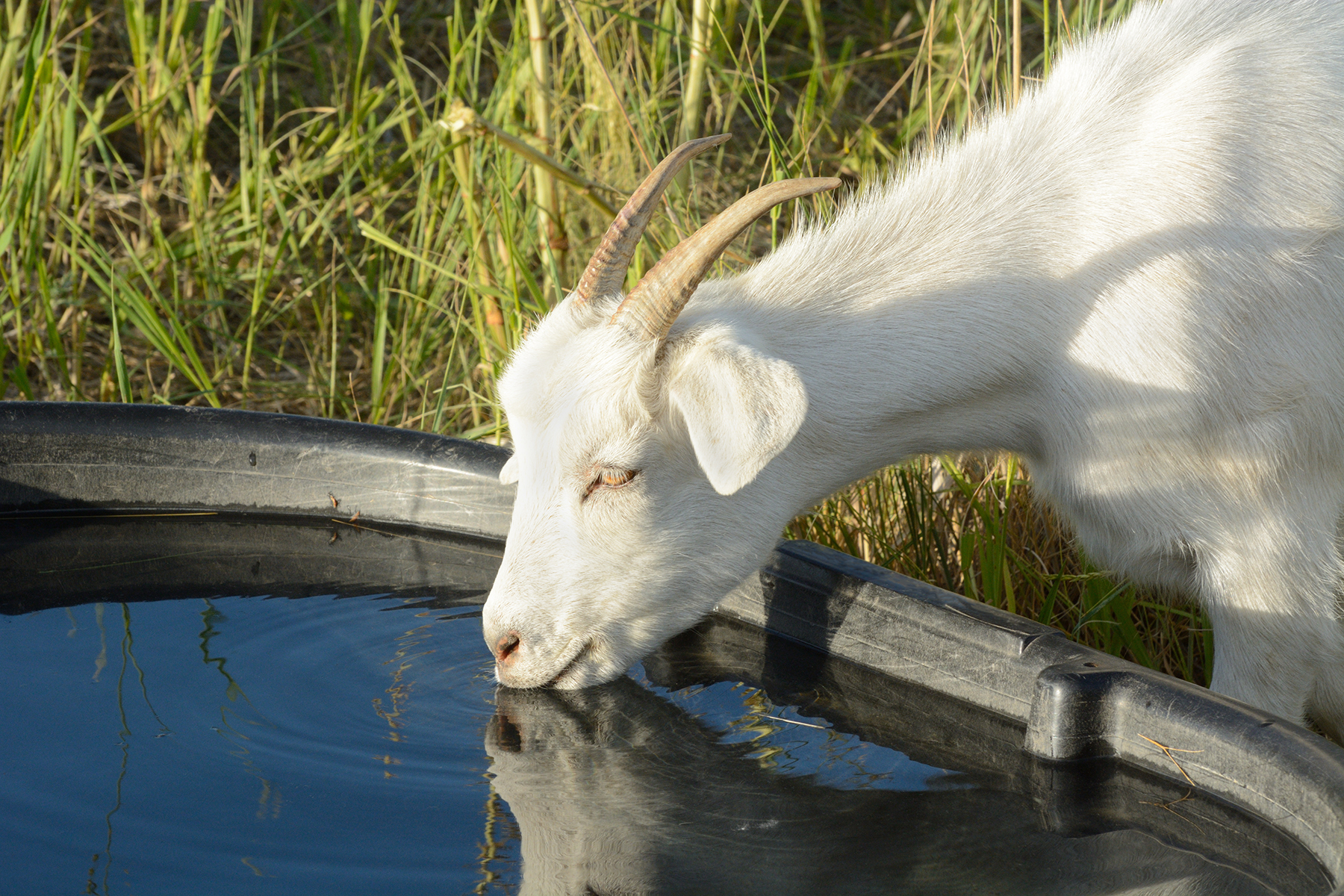
Water quality for goats is an important factor to consider. Water is perhaps the most basic nutrient that goats need at all stages of life and production. Every single bodily function and system requires sufficient water to operate effectively. On average, you can expect a mature goat to require 1 to 3 gallons of water daily, and if you have dairy does in heavy lactation, this could easily increase to four gallons.
But much like people, even when water is available, your animals might not drink it in sufficient amounts if the quality is poor.
Ruminants and Water
Ensuring your goats are getting adequate hydration starts with an assessment of water quality. Do you know about the quality of the water on your property? Most people assume that keeping water sources clean and filled regularly is sufficient. But this isn’t necessarily true.
Overall water quality for goats includes its nutritional level. Things as foundational as salt and mineral levels can impact consumption and performance. There are several types of salts that may occur in a natural ground or spring water supply, including potentially harmful ones like sulfates and nitrates. There can also be other negative factors, such as excessive alkalinity and even the presence of heavy metals such as lead or arsenic. It’s a good idea to send some samples of your water to a lab for analysis.
Beyond water quality for goats, the amount of water an animal consumes also plays a direct role in digestion. According to Van Soest in Nutritional Ecology of the Ruminant (1994), hydration status can significantly influence the digestibility of neutral detergent fiber (NDF) — a key component of forage. He notes that even a 1% increase in hydration can enhance fiber breakdown by 5 to 7%. This underscores how important it is not only to provide clean water but also ensure animals are drinking adequate quantities to support optimal nutrient utilization.
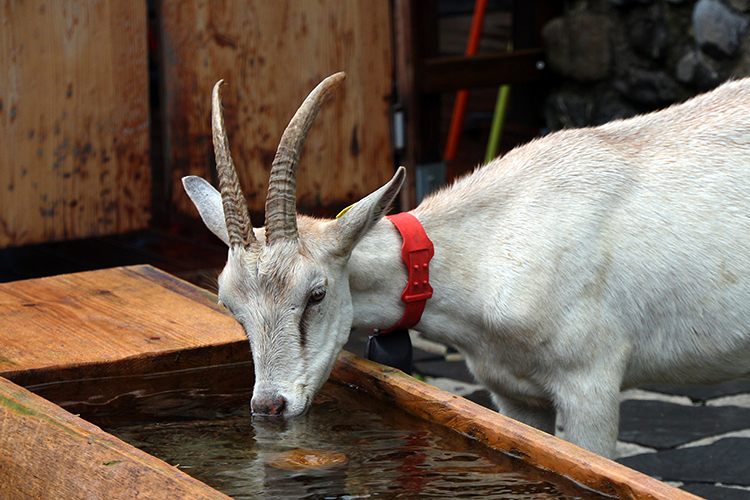
This link between hydration and digestion becomes even more critical when dealing with high fiber diets. Goats, for example, show a marked increase in water needs when fed more fibrous rations. Research has shown that goats consuming high fiber diets require 30 to 40% more water than those on concentrate-based diets, largely due to the increased moisture demands of microbial fermentation in the rumen. Inadequate water intake under these conditions can lead to reduced feed efficiency, rumen impaction, and even acidosis, making water quality for goats an important consideration.
In cases of high environmental heat, illness, or stress, water consumption becomes even more critical, as dehydration more rapidly depletes the body’s water reserves. This can increase the risk of urinary calculi in bucks and wethers. Dehydration also affects nutrient absorption — many nutrients are absorbed in the intestines and rumen with the aid of water. Dehydrated animals are also likely to consume less feed, which can slow weight gain and reduce milk production.
Finally, lack of water may also contribute to digestive issues such as bloating and constipation.
How Good is “Good?”
If you thought water was just water, you may wonder where to begin to make sure what you’re offering your animals is of sufficient quality. For starters, make sure it’s palatable enough to drink.
According to Leanna Duppstadt of Penn State Extension in her bulletin, Livestock Water Quality: “Salinity values less than 1,000 ppm are considered safe to drink, and anything from 1,000 to 5,000 ppm is considered satisfactory for all classes of livestock. Higher levels may cause mild diarrhea and refusal by animals that aren’t used to it.”
As previously mentioned, nitrates can also be a concern. These are water-soluble and can build up due to movement from runoff from manure storage, certain types of wet, stored feed, and even high rainfall. Ponds and shallow wells are often susceptible to high nitrate levels when located near heavily fertilized or manured fields, and likely won’t have the best water quality for goats.
Duppstadt notes that contaminated water combined with high nitrate feeds could cause problematic levels; however, toxicity from water alone is uncommon. High-nitrate feed could include summer annual grasses, such as sorghum, Sudan grass, or Johnson grass, as well as corn or stressed forages, which often contain higher levels of nitrates.
“Cyanobacteria, also known as blue-green algae, are bacteria, not algae, that release a toxin that can poison livestock,” she continues. “Cyanobacteria growth occurs most often in places where there’s stagnant water that has an excess of manure or other nutrients. This is particularly common in ponds during hot, dry weather. The water can be treated, but use caution because as the bacteria die, they release higher doses of toxin.”
Generally speaking, hard water is usually not a major concern to livestock health, according to Duppstadt. However, if you use your water to clean frequently (especially for milking and veterinary equipment), some minerals, such as lime, can leave deposits that can cause buildup. Iron is also difficult as it can clog up pipes, and sulfur can cause corrosion. If you have these minerals in your water, be sure to keep up with routine plumbing maintenance and consider installing a softener system.
Managing Your Water Supply
Maintaining high-quality water sets your herd up for success. Poor conditions can quickly impact intake, digestion, and, ultimately, production. A good management plan should include regular cleaning and sanitizing of tanks or troughs, maintaining adequate water flow and circulation, and promptly addressing leaks or mechanical issues.
Routine water testing plays a central role in this process, helping monitor mineral and contaminant levels to address problems before they affect animal health or milk yield. Testing can also highlight specific components that need closer attention, such as sulfates, iron, total dissolved solids, or nitrates. This is crucial to making informed decisions about water treatment or sourcing.
While testing is important for all animals, it’s especially critical when managing water for young kids and pregnant does, as they are more vulnerable to potential contaminants.
Water is a cornerstone of goat health and productivity. It supports digestion, feed intake, and nutrient absorption, all of which are essential to a well-balanced ration. Establishing a regular routine to inspect, test, and maintain your water system ensures your herd has access to clean water and drinks enough of it, especially during hot weather. Clean, accessible water is more than a fundamental need; it’s a strategic asset for any successful goat operation.
JACLYN DE CANDIO is a professional agriculture writer, communications specialist, and farmer. A member of the Ohio Farm Bureau and the Agriculture Communicators Network, she lives in southwest Ohio with her husband and children, where they operate Latria Livestock Co., feeding out market kids and lambs.
Originally published in the July 15, 2025, digital issue of Goat Journal.