Gut Microbiome and Goat Health
The important link between your goat’s gut and lasting health.
Reading Time: 6 minutes
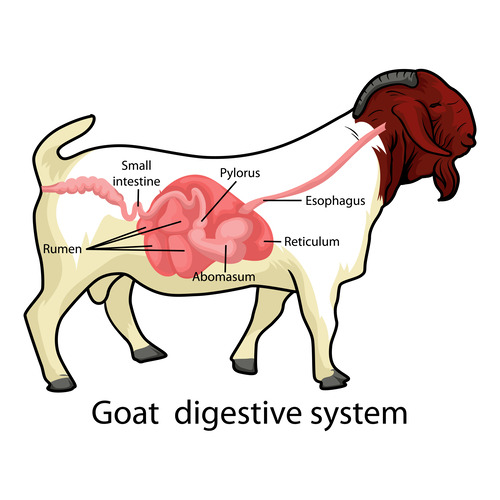
Anyone who’s kept goats for any length of time has learned the importance of understanding the basics of gut health. As ruminants with a four-chambered stomach that rely on a healthy gut microbiome, goats face some unique challenges, and learning how to manage gut health is beneficial for producers and goats alike.
The Gut-Brain-Immune Axis
You know how to keep your animals alive and meet their basic nutritional needs according to their life stages and production requirements; but have you considered the role of the gut in promoting immunity and overall health?
This is part of the microbiome-gut-brain-immune axis, which is a “bidirectional communication network between the gut, brain, and immune system.” When the gut and its microbiome are in harmony, this system does wonders in supporting the animals’ overall health and fighting diseases, When this is compromised, even if it’s subclinical, the impact can be widespread.
According to a 2023 research report published in the journal Microbiome, microbial balance disruption may have an impact on central nervous system signaling and immune homeostasis (the process by which the immune system maintains a dynamic balance of defending against pathogens while preventing self-reactivity and autoimmune diseases).
While there are many management tools you can use to keep your herd’s rumens in balance, there are also a lot of seemingly innocuous things that can harm the microbiome.
Microbiome Environmental and Management Considerations
Goats are creatures of habit, and one of the most important things we can do to ensure the success of our herds is to employ regular, consistent handling and management practices. For goats that are calm and particularly fond of people, disruptions in routine may have a relatively minimal impact. However, for many goats, activities such as veterinary procedures, hauling, and being in unfamiliar surroundings (think sales, shows, or outings) all spike the stress hormone cortisol.
Elevated cortisol levels can quickly lead to a loss of appetite, triggering a chain reaction that affects a goat’s digestion and nutritional intake. With less feed and roughage entering the rumen, the balance of the microbiome is disturbed. This disruption can impair digestion and create an environment where beneficial bacteria struggle to keep a regulated population, a condition known as dysbiosis, which will also weaken the animal’s immune response.
Transport stress, in particular, goes a step further. Studies show that prolonged or even short-haul transportation can increase gut permeability, commonly known as “leaky gut.” Under stress, the gut lining may become inflamed and less effective as a barrier. Microscopic gaps may form between the intestinal cells, allowing harmful bacteria or toxins to “leak” into the bloodstream. This directly signals the immune system, increasing inflammation and diverting energy away from growth and recovery.
Dysbiosis will also weaken the animal’s immune response. The gut microbiome plays a major role in regulating immune function. When it’s disrupted, the immune system becomes more vulnerable to pathogens.
Social Hierarchy and Group Dynamics
As herd animals, all goats adhere to their herd hierarchy. Even with well-adjusted and properly introduced animals, this herd structure can experience fluctuations, which can increase stress. This often happens when the pecking order is disrupted or space is limited. Some people have even noticed their goats act differently after one herd mate has been clipped and “looks different,” or when animals leave and then return after a period of time.
New Animals
Bringing new goats into the herd introduces multiple stressors all at once, with unfamiliar sights, smells, and social rankings. These changes elevate stress hormones, which can have the same effect as transportation.
New animals may also introduce unfamiliar pathogens, which add a disease risk on top of the physiological stress. For this reason, a quarantine period of 2 to 4 weeks is strongly recommended. Quarantining doesn’t just protect the existing herd; it also gives the newcomer time to recover from transport stress and adapt gradually to the new environment. Sudden exposure to both new microbes and social tension can overwhelm an already stressed animal, especially if its gut microbiome is compromised. A boost of probiotics and electrolytes, when drenched or offered in water, can be helpful in times like these.
Overcrowding
Overcrowding is another major stressor. Tension rises as animals jostle for space and feed, which results in more frequent social clashes.
Excessively dirty pens, even temporarily (such as during a wet, muddy spring or winter housing), will expose goats to additional biotic stressors, including parasites and pathogens. Combined with social stress, these environmental burdens further weaken immune defenses, increasing the risk of digestive upset and infections.
In these lower-intensity stressful settings, dominance hierarchy becomes more pronounced, and goats lower in rank may experience chronic, low-level stress. Research shows that ongoing stress alters the diversity and composition of the gut microbiota, often reducing populations of beneficial bacteria that help regulate immunity and digestion.
Diet, Antibiotics, and Microbiome Resilience
The gut microbiome plays a foundational role in overall goat health, not just for digestion, but also for immune function, disease resistance, and even stress resilience. When it’s disrupted, the immune system becomes more vulnerable to pathogens. Supporting this internal ecosystem starts with how goats are fed and treated during illness.
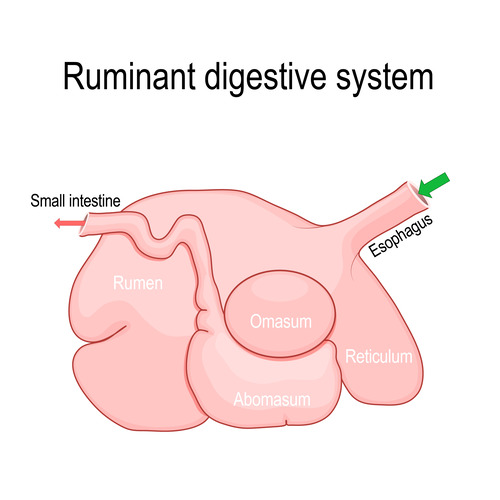
Diet has a direct and lasting impact on microbial health. Sudden dietary changes, such as moving goats to fresh pasture or introducing grains too quickly, can disrupt fermentation patterns in the rumen and lead to a microbial imbalance. Rumen microbes rely on consistency, and when the diet shifts abruptly, it throws their ecosystem into disarray. This can cause digestive upset, reduce nutrient absorption, and lower immune defenses.
Long-Stem Forage
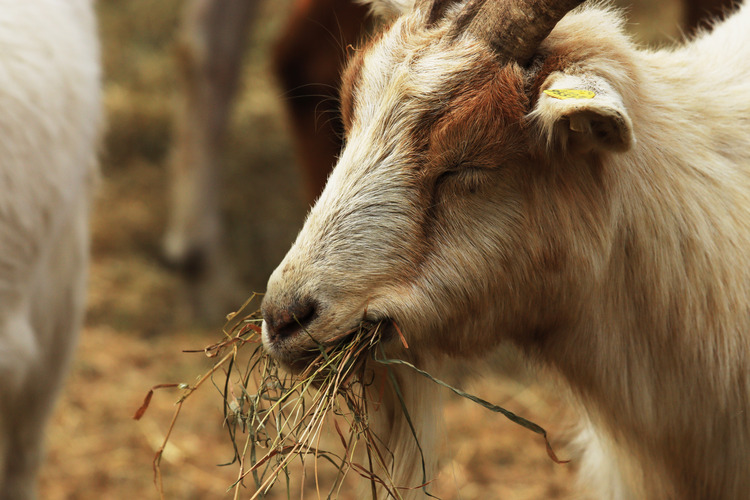
A fibrous diet made up of long-stemmed forages supports a slow, steady fermentation process and promotes the development of a healthy “rumen mat,” which is a fibrous layer that slows digestion and provides an ideal environment for microbes to flourish. This physical structure in the rumen helps buffer pH levels, regulate digestion, and minimize the risk of disorders like acidosis.
Concentrates
While high-concentration diets have a place (during late lactation, for young stock nearing market weight, or for unthrifty animals), they must be managed carefully. These diets ferment rapidly, producing excess acids that can lower rumen pH and kill off beneficial microbes. Left unchecked, this leads to rumen acidosis and compromises the goat’s immune and metabolic systems.
Antibiotics
Antibiotic use poses a similar threat. Broad-spectrum antibiotics don’t discriminate, eliminating both harmful pathogens and beneficial microbes, which can create dysbiosis. This not only impacts digestion but also weakens the immune system, making animals more vulnerable to secondary infections and slowed recovery. Targeted antibiotic use, followed-up with probiotic supplementation, can help prevent these issues.
Probiotics
Probiotics — live beneficial bacteria, such as Lactobacillus and Bifidobacterium — can help restore microbial balance after antibiotics, transport stress, or other disturbances. Prebiotics serve as fuel for these helpful microbes. Administering both together symbiotically, either via feed, water, drenches, or pastes, offers added benefits during stressful situations or even as part of a maintenance routine.
Ultimately, feeding strategies and responsible health management practices are two of the most powerful tools goat keepers must use to shape the microbiome and, with it, the immune system. By supporting a stable gut environment, producers not only improve digestion and feed efficiency but also strengthen the animal’s natural defenses against disease and stress.
JACLYN DE CANDIO is a professional agriculture writer, communications specialist, and farmer. A member of the Ohio Farm Bureau and the Agriculture Communicators Network, she lives in southwest Ohio with her husband and children, where they operate Latria Livestock Co., feeding out market kids and lambs.
Originally published in the August 1, 2025 digital issue of Goat Journal