Healthful Herd: Annual Disease Testing
Reading Time: 4 minutes
Regular health checks, vaccination programs, and parasite control are routine for most backyard and commercial herds. But one important management aspect that’s often overlooked or dismissed is annual disease testing.
The added cost and effort of collecting blood samples can make this step easy to skip. For those who run closed herds — where no outside animals are introduced and none leave the farm and return — it may even feel unnecessary. After all, if you’re not bringing in new stock or attending shows, how could disease slip in?
The reality is that pathogens don’t respect fences. Disease-causing organisms can hitch a ride on boots, clothing, equipment, or even travel in on wild animals or wind-blown debris. That’s why many of the most reputable breeders, including those with the strictest biosecurity protocols, still prioritize regular testing.
It’s not just about adding value to animals you sell; it’s about protecting your herd.
Understanding Pathogen Spread
All diseases are caused by some sort of pathogen, usually carried by a vector. Many major goat diseases are transmitted through direct contact between animals, their bodily fluids, and manure. By far, this is the most common way pathogens are transferred. But it’s not the only way they can enter your herd.
Just because you don’t visit other farms and your goats never leave the fence, you’re still not safe, unfortunately.
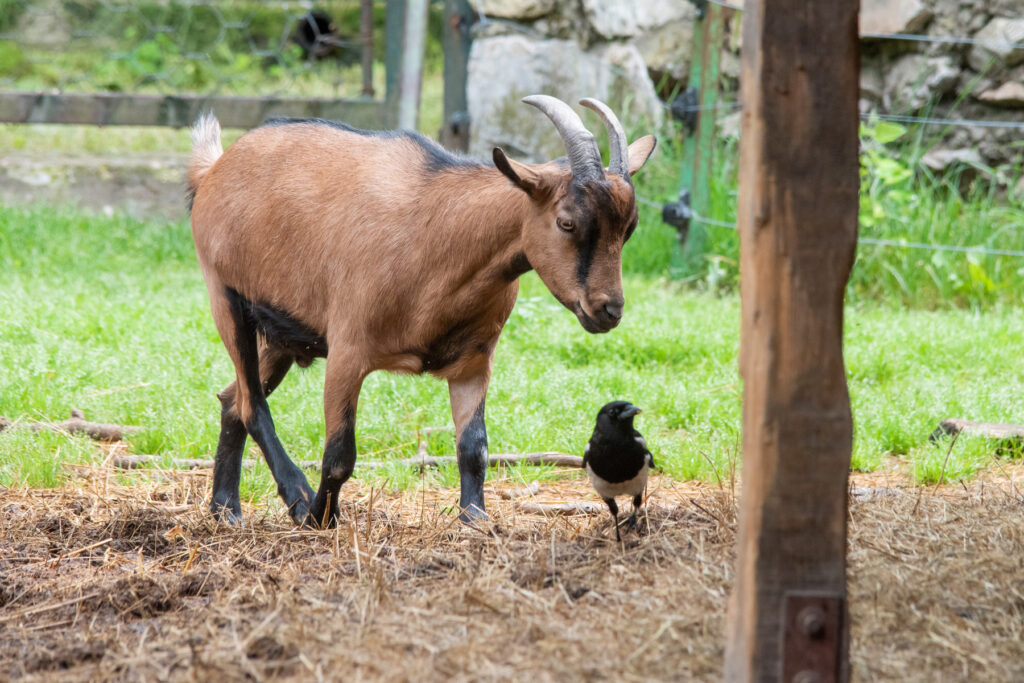
Diseases can be transferred from vectors, including flies and birds that visit farms miles away and pick up pathogens from other animals. Or a vector could be wildlife that shares barns and pastures with your goats. Some diseases can remain dormant in your soil for years, waiting for the right conditions to reemerge. Or your animals can be subclinical carriers of disease. A great example of this is for caseous lymphadenitis (CL), which people often associate with abscesses seen externally on lymph nodes. However, a goat can have all of its abscesses internally, which won’t be visible without a necropsy or meat processing. There are several other diseases, including mastitis, that can be entirely present but undetected unless you test.
What’s Worth Testing For?
There’s a reason many of the most respected herds prioritize annual disease testing. They also don’t hesitate to test anytime an animal’s health comes into question. Regular testing provides peace of mind, protects the overall health of your herd, and helps you make informed decisions that can prevent costly problems down the road.
One of the advantages of modern herd health testing is that many samples can be collected and mailed to a lab for analysis. Blood samples are probably the first that come to mind, but depending on the disease, milk, pus from abscesses, or fecal samples may be useful.
Three diseases to test for in the goat world.
- Caprine Arthritis Encephalitis (CAE) – A viral disease spread through body fluids like milk, colostrum, and birth fluids. CAE is most commonly detected through blood samples using serology tests, such as enzyme-linked immunosorbent assay (ELISA), to check for antibodies.
- Caseous Lymphadenitis (CL) – A bacterial infection that causes abscesses in lymph nodes and internal organs. When abscesses are present, pus samples from these can be submitted for culture or polymerase chain reaction (PCR) testing. Blood tests are also available to check for exposure.
- Johne’s Disease – Caused by a mycobacterium that can be shed in feces, milk, or birth fluids. Blood samples or fecal samples (culture or PCR) can be used to test for Johne’s. Milk testing is an option in dairy herds.
Other testing
If you produce milk for human consumption, you can and should submit milk samples not only to monitor for mastitis, but also to test for major disease-causing pathogens (Salmonella, E. coli, Listeria, Brucella, and Campylobacter, just to name a few) that could impact both animal and human health.
If you have Nubians with the intention of selling to other breeders, you may also want to consider investing in genetic tests for the mutation in the G6S gene that causes Glycosaminoglycan Storage Disease.
AdobeStock/Liliya kulianionak
Value of Disease Testing
Annual disease testing may feel like another chore and an added expense, even if it’s relatively affordable. But what you gain in return is well worth the investment.
First and foremost, regular testing provides early detection, which is especially valuable for slow but progressive diseases like CAE and Johne’s. Identifying infections early allows you to make informed decisions about culling or early intervention when possible, which helps protect the overall health of your herd.
Beyond herd management, annual testing enhances the value of the animals you sell. It demonstrates your commitment to herd health and positions you as a reputable breeder. Buyers gain confidence knowing they’re purchasing animals with verified health status, which can open the door to a broader, more discerning market.
Regardless of the size of your operation, strong biosecurity practices, such as limiting outside contact and controlling potential diseases, are crucial. Disease testing provides an important layer of protection, enabling you to monitor for pathogens that might otherwise go undetected. Combined with biosecurity, testing supports the ongoing health and welfare of your herd.
JACLYN DE CANDIO is a professional agriculture writer, communications specialist, and farmer. A member of the Ohio Farm Bureau and the Agriculture Communicators Network, she lives in southwest Ohio with her husband and children, where they operate Latria Livestock Co., feeding out market kids and lambs.
Originally published in the September 15, 2025 digital issue of Goat Journal.