Goat Pregnancy Health and Nutrition
Reading Time: 4 minutes
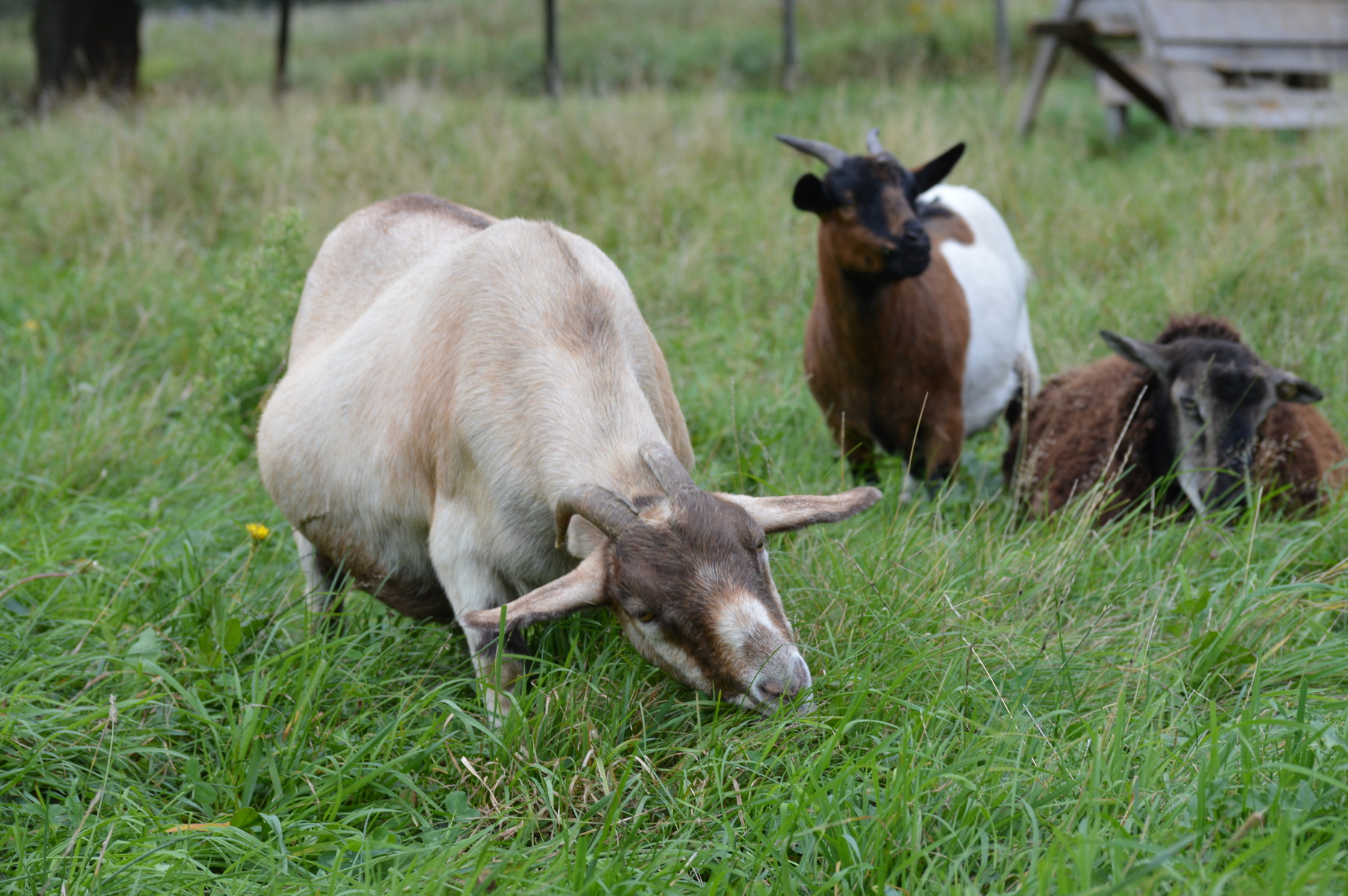
With a relatively brief 150-day average gestation, the months of goat pregnancy can fly by for breeders. Pregnant animals need consistent attention and good nutrition throughout, but the final stretch (roughly the last 6 to 8 weeks before delivery) is especially critical.
During this period, the doe’s energy needs rise sharply as the growing kids place heavier demands on her body. If she isn’t fed properly, she’s at risk for metabolic problems around kidding, poor milk production, and lower kid survival. A solid understanding of what your does require nutritionally and health-wise during these last weeks can make a noticeable difference in their overall welfare, kid survivability, and even post-weaning performance.
Overall Health and Herd Checks
One of the best skills you can hone in caring for your breeding herd is learning how to do general visual health assessments. An easy tool you can use is body condition scoring (BCS). Michigan State University offers a clear explanation of the scoring system and what to look for at each level.
Throughout goat pregnancy, an ideal BCS is between 2.5 and 3.5. Does in this range generally have enough stored energy to carry a full-term pregnancy without being overly fat. Those that are too thin may kid without obvious complications, but they’re more likely to produce weaker, less vigorous kids and often struggle with milk production. Over-conditioned does, on the other hand, face a higher risk of metabolic problems such as pregnancy toxemia (ketosis) and milk fever (hypocalcemia).
These issues matter because they’re largely preventable with the right nutrition and management. Ketosis develops when a doe’s rising energy needs in late gestation aren’t met, forcing her body to pull heavily from fat reserves. This produces ketones, which accumulate in the bloodstream and can become toxic. Keeping does within the recommended body condition range and adjusting feed as pregnancy advances helps avoid this problem.
Milk fever stems from a different imbalance. Here, the body’s sudden need for calcium to support early milk production pulls too heavily from reserves. The surprising part is that the root cause is often excessive calcium in the diet during the dry period, which interferes with the doe’s ability to mobilize calcium when she actually needs it. This is why many producers avoid grain mixes that are high in calcium and limit forages such as alfalfa during late gestation.
Other physical checks should also be part of your routine before kidding. Hooves should be evaluated and trimmed several weeks in advance, since poor footing can make late gestation uncomfortable and complicate kidding. Keep an eye on udder development as well as the doe’s breathing and general attitude. Any doe that seems depressed, unusually quiet, or off feed in any way should be flagged for closer monitoring and possibly earlier intervention.
Nutritional Requirements
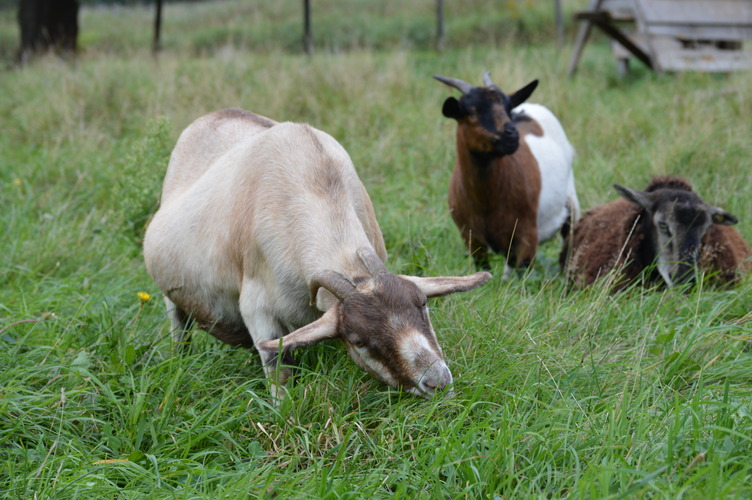
Energy and protein needs peak during the last six weeks of gestation, when roughly 70% of fetal growth takes place. If your does are under the ideal BCS range, this is the time to gradually increase concentrates and ensure they have consistent access to high-quality forage. Avoid relying on pure alfalfa because of its high calcium content; a mixed-legume hay or a clean, high-quality grass hay is usually a better choice. Aim to keep overall dietary protein in the 14% to 16% range during this period.
Free-choice loose minerals should be available throughout pregnancy. In areas with known selenium deficiency, ensure your mineral mix contains adequate levels, and keep an injectable or paste form on hand in case newborns show signs of deficiency, such as weak legs or difficulty standing. Copper can also be tricky to balance, depending on local soil conditions and feed. Many breeders give an oral copper bolus before kidding to help maintain proper levels.
Make sure does always have fresh water, and consider offering warm water during cold weather. When water intake declines, feed intake follows, and the resulting decrease in energy consumption can push a late-gestation doe closer to ketosis. Keeping water palatable and accessible is one of the simplest ways to support her nutritional needs.
Overall Management
Because nutritional needs shift during pregnancy, it’s helpful to separate does by due date when you’re feeding them in groups. This also makes it easier to keep up with other pre-kidding tasks at the right time, such as CDT vaccinations, deworming, and coccidia prevention.
Keeping does closer to the barn, or at least grouped separately as kidding approaches, allows you to spot changes more quickly after they deliver. Older does, first fresheners, and those carrying three or more kids often need a bit more attention and should be monitored closely for any signs they’re struggling.
Nothing will completely eliminate surprises at kidding time, but appropriate late gestation care can shift the odds in your favor. Consistent checks, thoughtful nutrition, and a simple management calendar all work together to support healthier does and stronger kids.
JACLYN DE CANDIO is a professional agriculture writer, communications specialist, and farmer. A member of the Ohio Farm Bureau and the Agriculture Communicators Network, she lives in southwest Ohio with her husband and children, where they operate Latria Livestock Co., feeding out market kids and lambs.