About the Author

Cheryl Smith
Articles by Cheryl Smith

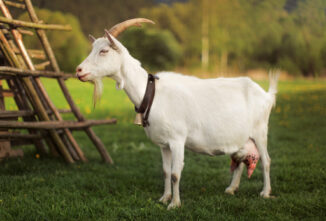
Squamous Cell Carcinoma in Goats
Add to Favorites With more goats in the U.S. being raised as pets or in small herds, rather than as production animals, they’re living longer, and their owners are more …
Read More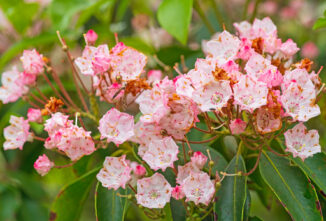
Grayanotoxin and Other Types of Plant Poisoning in Goats
Add to Favorites Pleas for help from goat keepers whose goats have eaten rhododendrons are a regular occurrence on social media and online forums. Often, poisoning results from a friendly …
Read More
Poison Plants: Cyanide Poisoning in Goats
Add to Favorites Cyanide poisoning (previously called prussic acid poisoning) in goats is caused when they eat plants that contain cyanogenic glycosides. The glycosides contained in the cells of plants …
Read More
Plant Poisoning in Goats: Cardiac Glycosides
Add to Favorites Cardiac glycosides — a source of plant poisoning in goats — are a class of organic compounds that increase the output of the heart. Plants containing these …
Read More
Kelp for Goats
Add to Favorites Kelp (Ascophyllum nodosum) is a seaweed in the algae family used by many goat keepers as a feed supplement. It’s the most common seaweed used for animal …
Read More
Blister Beetles and Alfalfa
Add to Favorites Seeing beetles on a hay crop is alarming, but the sight of blister beetles, which love to feed on alfalfa, is on another level. They’re most common …
Read More
Growing and Cutting Hay
With the rising expense of hay, if you have the space and equipment, growing and cutting hay for yourself could be a way to reduce costs. Even those with smaller spaces can supplement their hay in summer.
Read More
Poisonous Plants to Goats: Alkaloids
Add to Favorites Poisonous plants to goats can cause anything from an upset stomach to death. Find out if your fields are harboring dangerous plants. As the weather warms, people …
Read More
Plants Poisonous to Goats: Introduction
Add to Favorites In this multi-part series, we’ll take an in-depth look at plants poisonous to goats. But there are ways to help prevent goats from eating things they shouldn’t …
Read More
Goat Supplies
Add to Favorites “What basic goat supplies and goat-handling equipment do I need?” is a common question among people planning to get goats. The answer is that it begins with …
Read MoreGoat Journal has Transitioned
Goat Journal Lives On with Countryside & Small Stock Journal
Goat Journal is no longer available as a standalone subscription, but its spirit and expertise live on within Countryside & Small Stock Journal. When you subscribe to Countryside, you also gain full access to Goat Journal's website and archive as a bonus — every article and back issue, plus members-only Goat Notes and more! And with Countryside as your guide, you’ll have the knowledge you need to live a more self-reliant, satisfying life.
- Raise healthy animals from pasture to plate
- Grow and preserve the most nutritious food for you and your family
- Cook simply and naturally
- Build things yourself and take pride in your handiwork
- Treat ailments naturally and take control of your own health and longevity
- Fix what is broken so you get the most out of your investments
- Create your own certainty in an uncertain world
- And more!

Canadian Subscribers • International Subscribers
Canadian subscriptions: 1 year (includes postage & GST)