Plant Poisoning in Goats: Cardiac Glycosides
Reading Time: 5 minutes
Cardiac glycosides — a source of plant poisoning in goats — are a class of organic compounds that increase the output of the heart. Plants containing these compounds have been used as medicine in small amounts since ancient times to induce vomiting and to treat heart conditions. They can be found in the sap, berries, leaves, flowers, and seeds of some plants (though not all in the same family). Interestingly, the venom in the skin of the cane toad also contains large quantities of a cardiac glycoside. The effects of the compounds extend to the gastrointestinal, neurological, and cardiovascular systems. Live plants are more toxic than dried ones, though the toxin remains in dried plant matter.
Goats that consume plants with cardiac glycosides are often found dead, but may present with:
- Digestive issues
- Weakness
- Excessive salivation
- Slowed heart rate
- Low blood pressure
- Abnormal heart rhythm
- Seizures in some cases
Plants most likely to poison goats with cardiac glycosides.
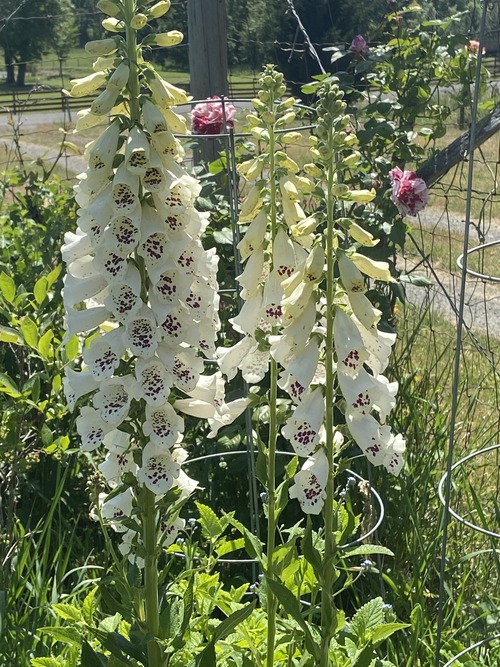
Foxglove (Digitalis purpurea):
This popular ornamental plant has been used medicinally for centuries, but is highly toxic. Originally from Europe, it has now spread throughout North America. It’s recognizable as a 3- to 4-foot-tall plant with bell-like, internally spotted flowers. The glycoside digoxin, extracted from the plant, is used medically to treat congestive heart failure and other cardiac conditions.
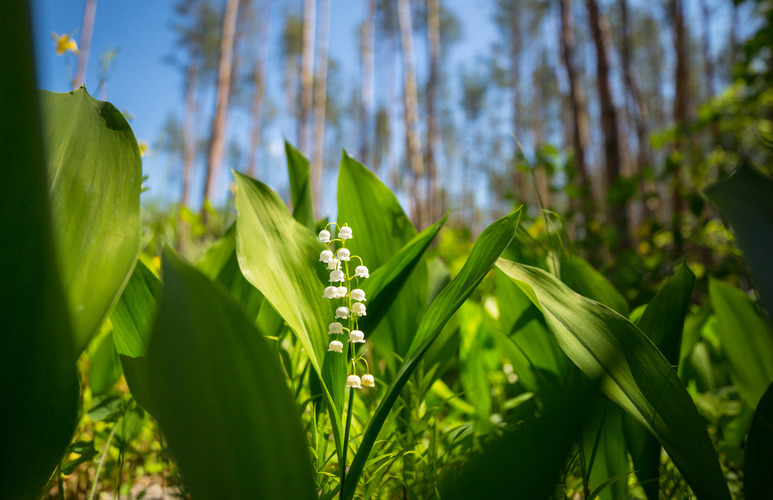
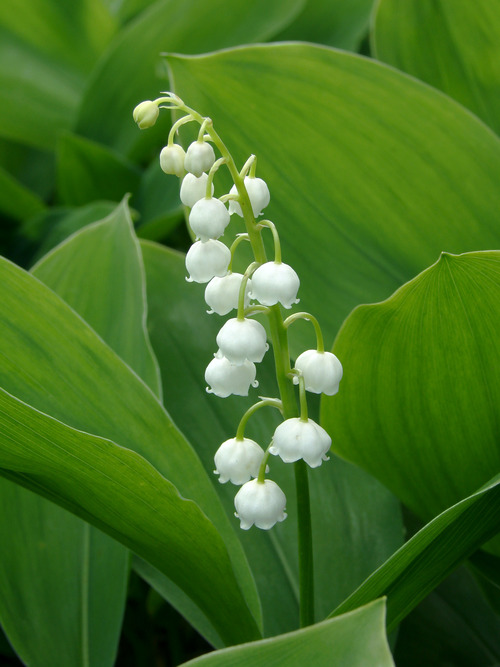
Lily of the Valley (Convallaria majalis):
Lily of the Valley, known for its small white flowers, can contain glycosides that cause heart toxicity (muscle damage, weakness, or inflammation of the heart). The primary glycoside is convallotoxin, which can cause blood clotting as well as other adverse effects on the heart.
Oleander (Nerium oleander):
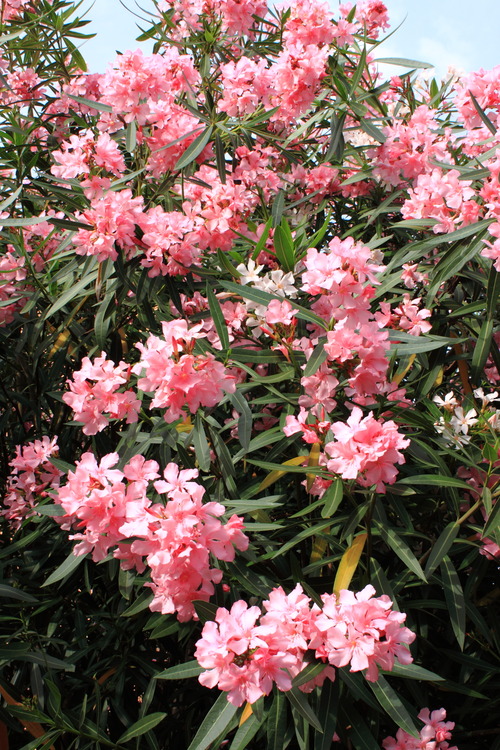
This perennial flowering shrub is a landscaping plant cultivated mainly in the southern U.S. It contains the cardenolides oleandrin and neriine. Goats are most likely to be poisoned when gardeners give them plant trimmings or they escape and browse on the plants. Just a few leaves can sicken or kill a goat. The fruits contain the most toxins, and even dry leaves are toxic.
In one reported case, four Alpine goats were given yellow oleander trimmings by their owner. A one-year-old doe died only an hour later, and a second died after 12 hours. The other two experienced diarrhea and lethargy and survived with supportive care. The toxic plant was identified on necropsy by the presence of leaves in the rumen. One study found that a single dose of approximately 50 milligrams per pound of body weight was lethal in goats.
Milkweed (Asclepias spp.)
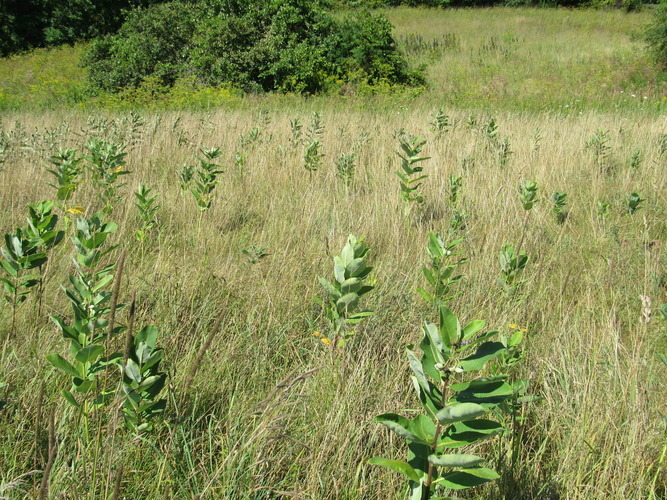
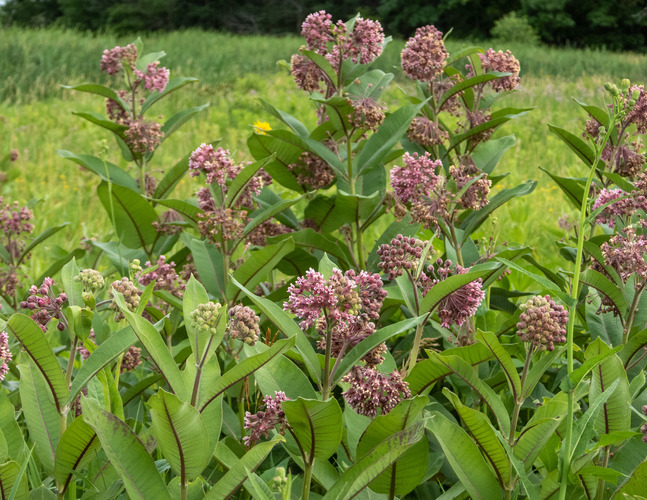
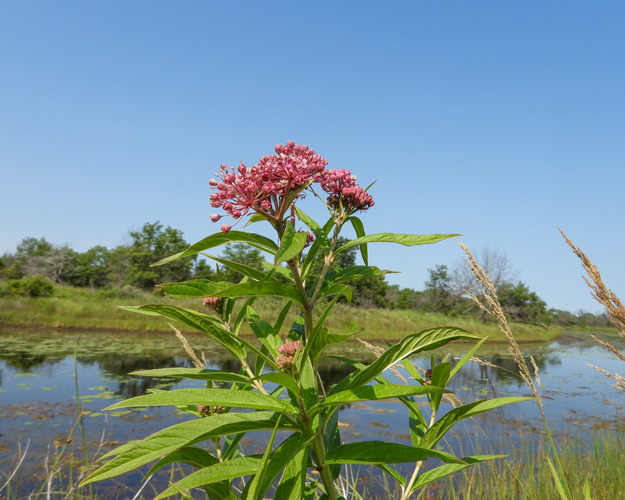
These plants are the most common cause of cardiac glycoside poisoning in North American animals, mainly due to the glycoside cardenolide. The plant can be found throughout the U.S., in gardens, along roadways, and on rangeland.
The name derives from the milky sap it contains. Flowers can range from red to greenish-white. It doesn’t take much to kill a goat; eating less than 0.2% of body weight in leaves can cause death. Goats tend to ingest it when other forage options are not available in their pastures. Milkweed is toxic even when dried, so it’s good to check your hay when you feed it.
- Signs of poisoning include:
- Difficulty breathing
- Digestive disturbances
- Seizures
- Head pressing
Gardeners are encouraged to plant milkweed for monarch butterflies, which lay eggs exclusively on the plant, and caterpillars eat it.
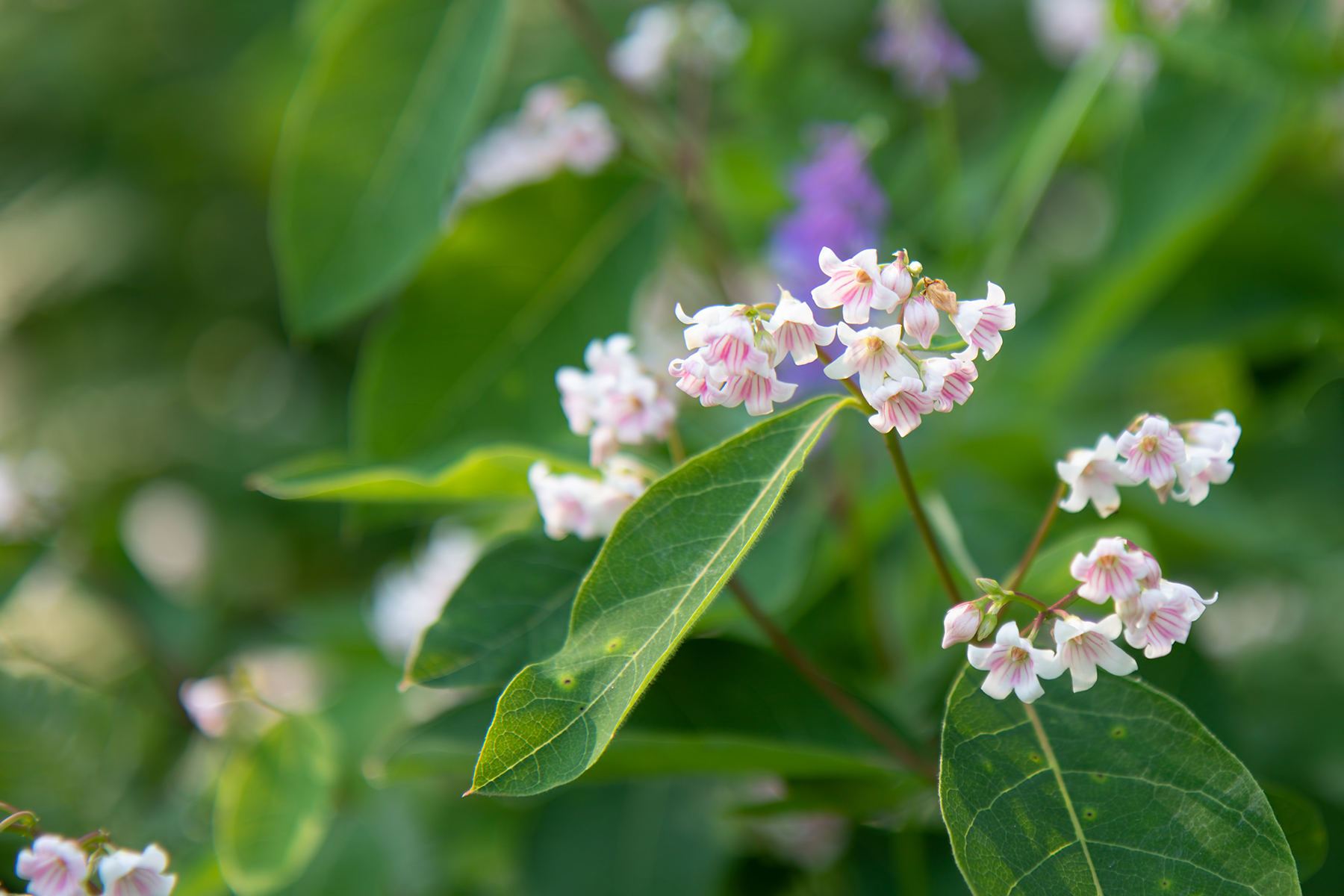
Dogbane (Apocynum spp):
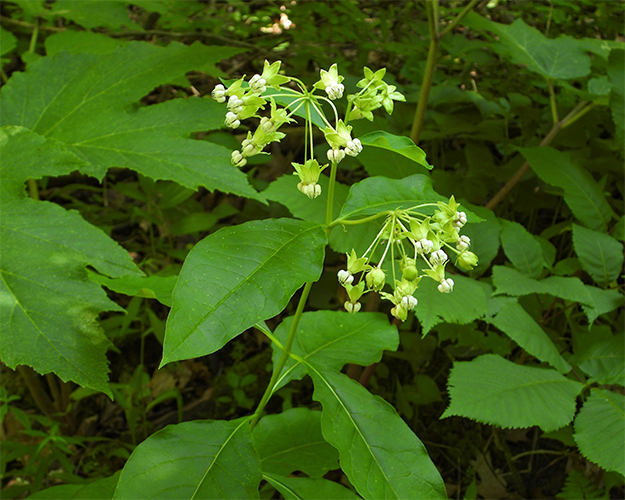
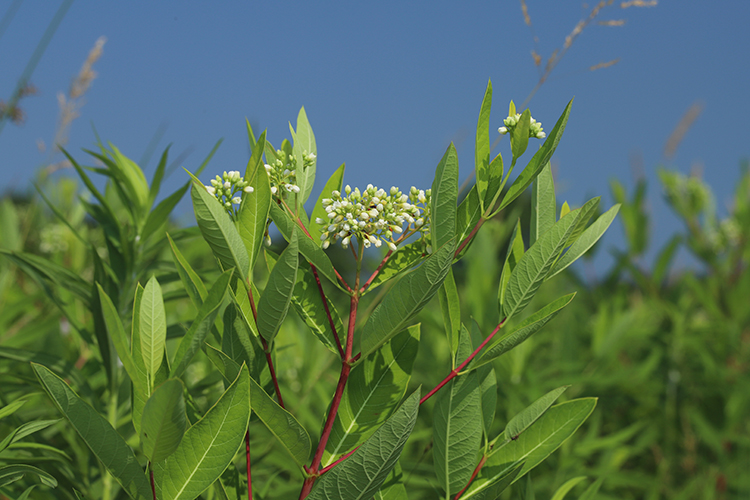
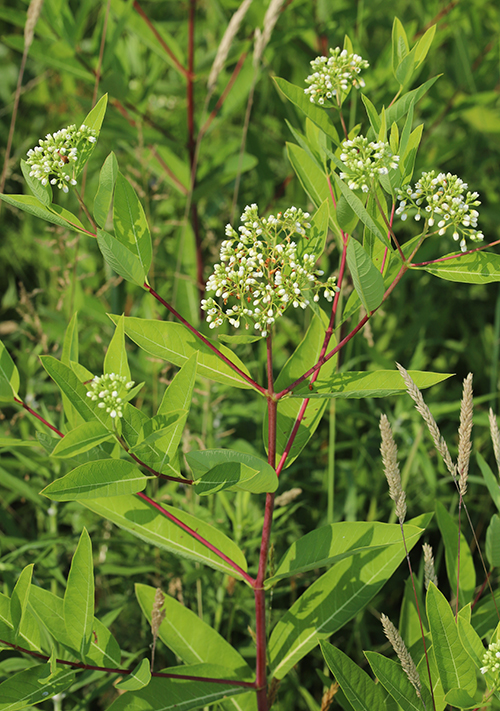
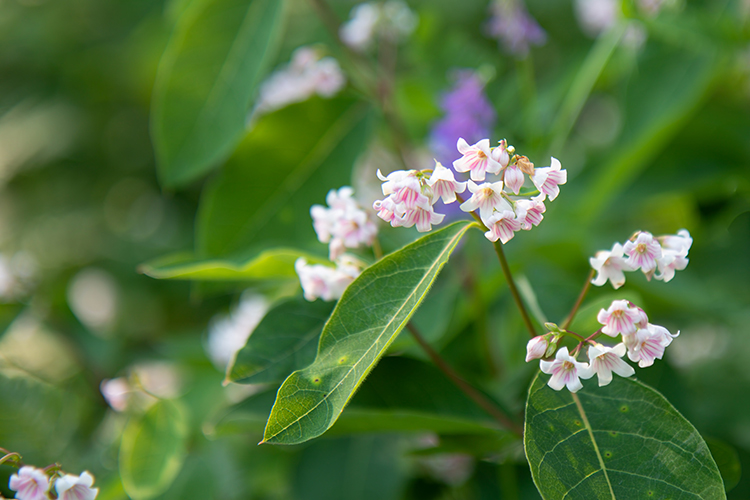
Ranging from 2 feet to 6 feet tall, depending on the species, this plant grows in most of the U.S. Although its sticky, bitter juice is a deterrent to livestock poisoning, there have been incidences of ruminants being poisoned by it during times of scarcity. The cardiac glycoside cymarin is the toxic agent in this plant. It can cause death within 6 to 12 hours after consumption of ¼ gram or less of plant matter.
Treatment
When it comes to plant poisoning in goats, there’s no standardized treatment for cardiac glycoside poisoning; however, supportive care can include activated charcoal, analgesics, and rehydration, ideally under the care of a veterinarian. Surgically removing the contents of the rumen can save a poisoned goat’s life.
Better than treatment for goat poisoning by cardiac glycosides is prevention. As for other toxic plants, goat owners should identify and eliminate them, as well as ensure that their animals are properly fed so they aren’t tempted to eat enough to be poisoned.
Don’t miss the other articles in this series:
- Plants Poisonous to Goats: Introduction
- Poisonous Plants to Goats: Alkaloids
- Poison Plants: Cyanide Poisoning in Goats – Coming September 1, 2025
Cheryl K. Smith has raised mini dairy goats in the Coast Range of Oregon since 1998. She’s the owner of Karmadillo Press, and author of Raising Goats for Dummies, Goat Health Care, Goat Midwifery, and The Hidden Creek Farm, a series of cozy mysteries set on a goat farm. www.GoatHealthCare.com
References:
- Agricultural Research Services. www.ars.usda.gov/pacific-west-area/logan-ut/poisonous-plant-research/docs/hemp-dogbane-apocynum-cannabinum/
- Aslani, MR, et al. 2007. “Experimental oleander (Nerium oleander) poisoning in goats: a clinical and pathological study.” Iranian J Vet Research 8(1): 58. https://ijvr.shirazu.ac.ir/article_2708_b5619626a3f750b4b5ce266702695b97.pdf
- Bauer, Colette. 2016. “Every Blooming Thing: Oleander popular on freeways.” www.appeal-democrat.com/corning_observer/every-blooming-thing-oleander-popular-on-freeways/article_bd871e4e-5f61-11e6-bcd9-534842a6b06e.htm
- Illinois Grazing Manual Factsheet: Milkweed. USDA. https://www.nrcs.usda.gov/sites/default/files/2022-09/Milkweed.pdf
- Knight, Anthony P, and Richard G. Walter. 2001. A Guide to Plant Poisoning of Animals in North America. Jackson, Wyoming: Teton NewMedia.
- Morimoto, M, et al.2021. “Convallatoxin, the primary cardiac glycoside in lily of the valley (Convallaria majalis), induces tissue factor expression in endothelial cells.” Vet Med Sci 7(6): 2440–44. doi: 10.1002/vms3.614.
- Sykes, CA, et al. 2023. “Yellow oleander (Thevetia peruviana) toxicosis in 4 goats.” J Vet Diagn Invest 35(5). doi.org/10.1177/10406387231186
- www.NRCS.USDA.gov/sites/default/files/2022-09/Milkweed.pdf
- www.fs.USDA.gov/wildflowers/plant-of-the-week/apocynum_androsaemifolium.shtml