Goat News – November/December 2025

Two Young Goats Join the Herd at Lincoln Park Zoo
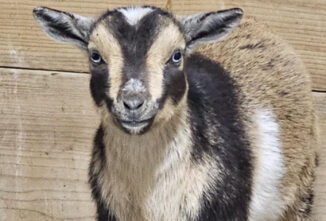
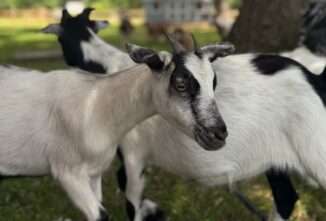
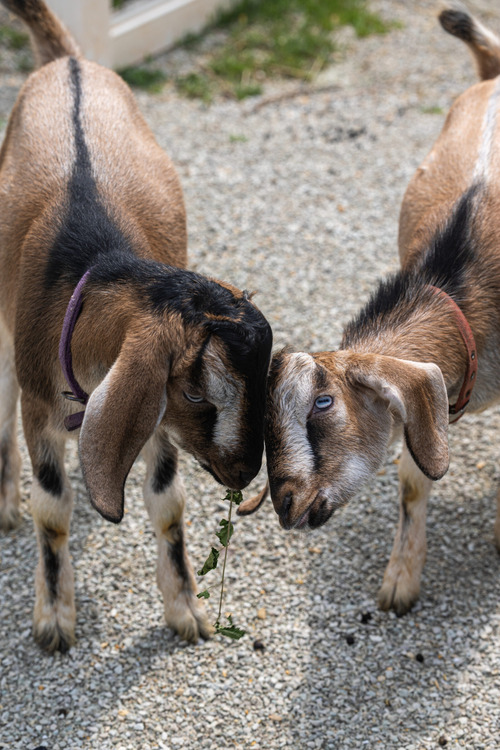
Lincoln Park Zoo in Chicago recently welcomed two new goat residents to its Farm-in-the-Zoo exhibit. The Mini Nubian brothers, Lincoln and Parker, are five months old and arrived in August. They join two older goats, Billy and Gruff, who have been part of the exhibit since 2024.
“Thanks for your interest in our new goat brothers, Lincoln and Parker—named after the Chicago neighborhood we call home,” says PR & Communications Manager for the zoo, Anna Cieslik.
Lincoln and Parker are settling into their new environment, where visitors can observe and learn about domestic animals in a hands-on setting. Parker has a tan coat with darker front legs, while Lincoln is slightly smaller and known for his curious nature.
The Farm-in-the-Zoo exhibit features a variety of animals, including cattle, pigs, chickens, rabbits, and ponies, and is designed to give city visitors a chance to connect with farm life.
The addition of Lincoln and Parker supports the zoo’s mission to provide educational experiences and foster connections between people and animals.
Goatham 2025
Every summer, a small herd of goats descends on Manhattan’s Riverside Park—not as pets or performers, but as ecological partners. These four-legged landscapers are part of a unique initiative by the Riverside Park Conservancy to restore native plant life and manage invasive species along the park’s steep slopes.
“Our goats bring a sense of wonder and a little levity to life in New York City,” said Merritt Birnbaum, President & CEO of Riverside Park Conservancy. “We were amazed, but not surprised, to see 2,500 goat fans at ‘The Great Goat Graze-Off,’ who showed up in Riverside Park to watch star goat Mallomar take home the honor of 2025 G.O.A.T. Grazer. The well-loved herd works with our team of human gardeners to remove nonnative species, making room for native plants and supporting our local ecosystem. They make the park happy and people happy — and that’s why we are thrilled to bring them back each year.”
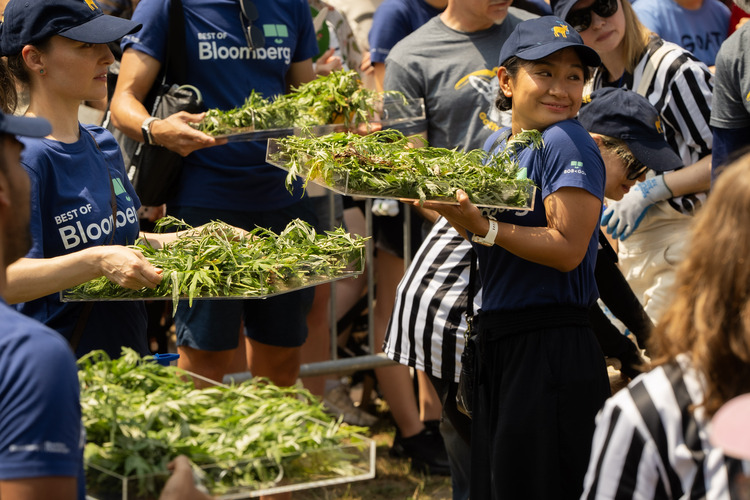


Now in their sixth season, the goats have become a fixture in the park’s North End, particularly around the rugged slopes near West 143rd Street. These areas are notoriously difficult for human crews to maintain, but the goats—immune to poison ivy and unfazed by uneven terrain—make quick work of mugwort, kudzu, and other invasive plants. Their efforts have helped transform overgrown patches into plantable spaces, paving the way for native understory and tree canopy restoration.
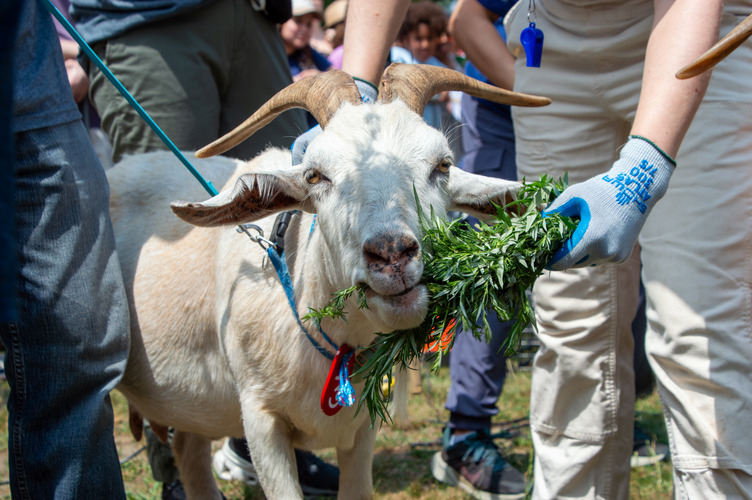
The Conservancy’s “Goatham” initiative is more than just a clever name. It’s part of a broader push to revitalize under-resourced sections of the park through ecological stewardship and community programming. With support from local partners and sponsors, the goats’ seasonal work aligns with the North Park Initiative, which also includes new outdoor fitness equipment and shoreline access improvements.
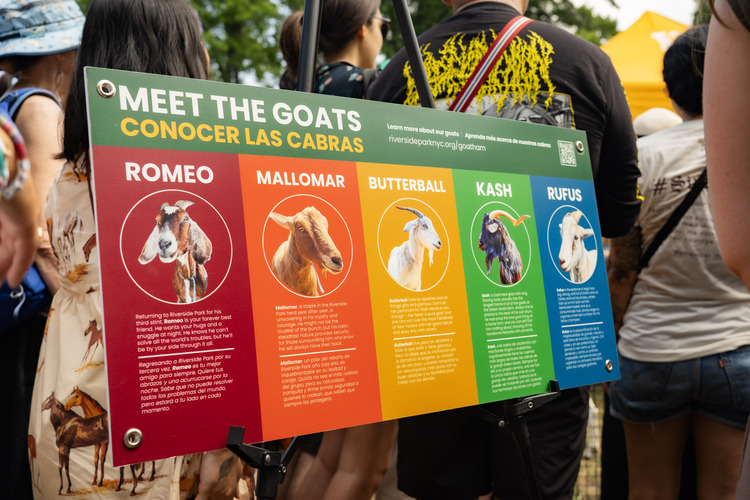
And while their grazing is serious business, the goats bring plenty of charm. Mallomar, the quiet but determined graze-off champion, shares the slopes with Romeo (a snuggle enthusiast), Butterball (a sparkle-loving socialite), Kash (a cashmere goat with flair), and Rufus (the regal matriarch). Together, they’ve become ambassadors for urban ecology—and crowd favorites for New Yorkers of all ages.
Goats in Uganda
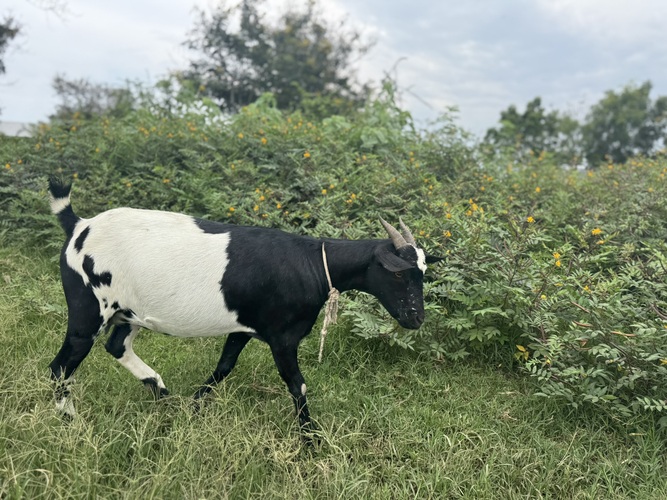
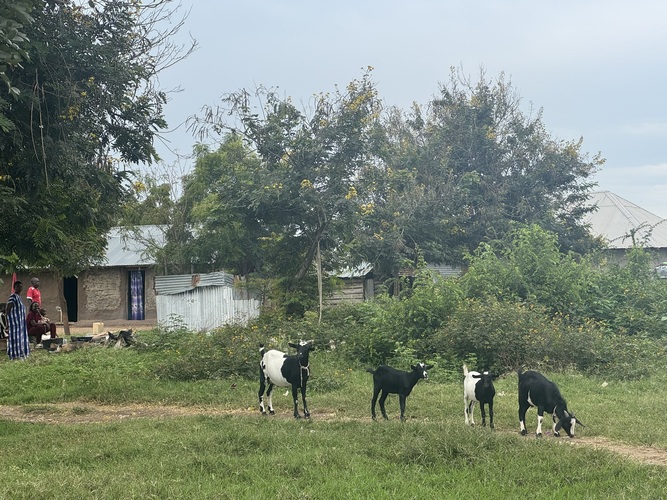
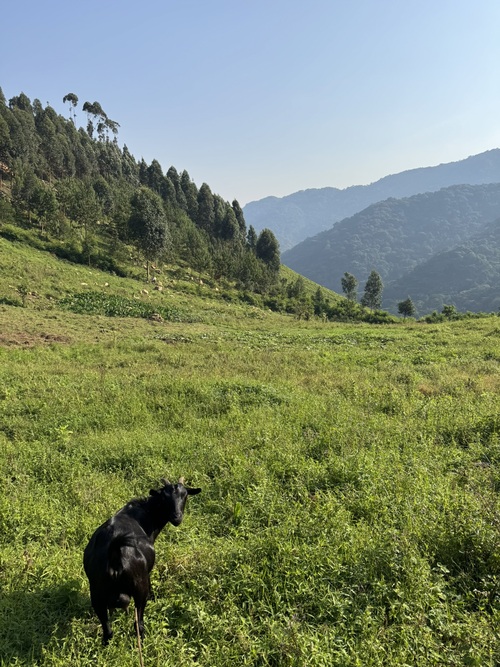
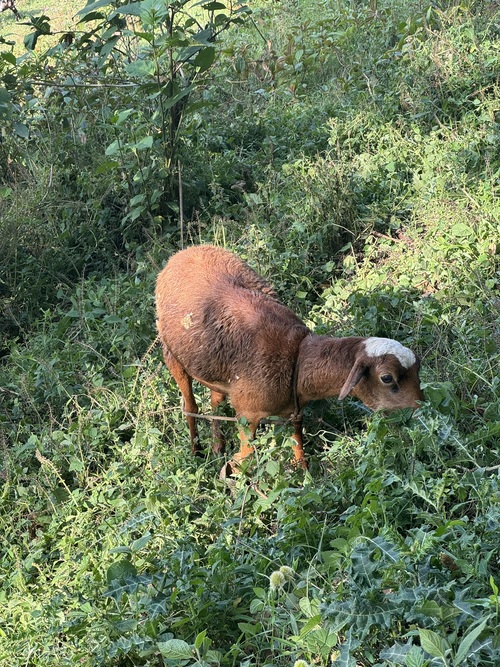
I recently had the pleasure of visiting Uganda for 2 weeks with 14 undergraduate students to study conservation and primates. Although the dozen or so people asked could not give us a breed name for their goats, it was clear that there were two main phenotypes based on the region. In the lowland part of the country, all the goats were black and white, and in the highlands, where the mountain gorillas live, the goats were more brown and had longer hair. Goat meat is their preferred meat, but it is only eaten on special occasions due to price. Chickens are bought freshly slaughtered, and a whole chicken costs around $10 to $15 USD, which is also quite expensive.
Toxic Snakeroot Claims Grazing Goats in Marin County: A Tragic Loss for Fire Mitigation Efforts
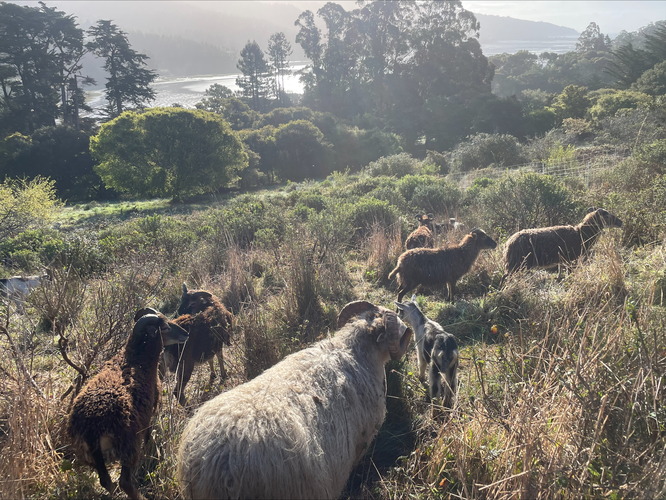
In August 2025, a herd of goats and sheep contracted for wildfire mitigation work on the California coast north of San Francisco suffered a devastating loss. Twelve animals died suddenly from suspected plant toxicity, and 18 others remain quarantined. The incident has raised urgent questions about the safety of grazing lands and the unexpected risks posed by native flora.
“I am a small yet growing business performing fire fuel grazing for California communities through natural and harmonious methods,” Billie Thibodeau, owner of Scape Goat Grazing, shared. Her herd was deployed to reduce fire-prone vegetation when the deaths occurred. Toxicology testing conducted by UC Davis Veterinary Lab identified Snakeroot as the likely cause. “They found through necropsy results that the 2-month-old goat tested most likely died of a heart attack, which lines up with the premise of poisoning from Snakeroot,” Thibodeau explained.
What makes this case especially troubling is that Snakeroot has not previously been considered dangerous to goats and sheep in the region. “Both my vet, a local rancher of 50 years, and UC Davis Veterinarian did not know Snakeroot to be toxic to goats and sheep,” Thibodeau said. In response, her veterinarian recommended keeping the herd stress-free and supplementing with quality alfalfa and nutritional supports for at least a month.
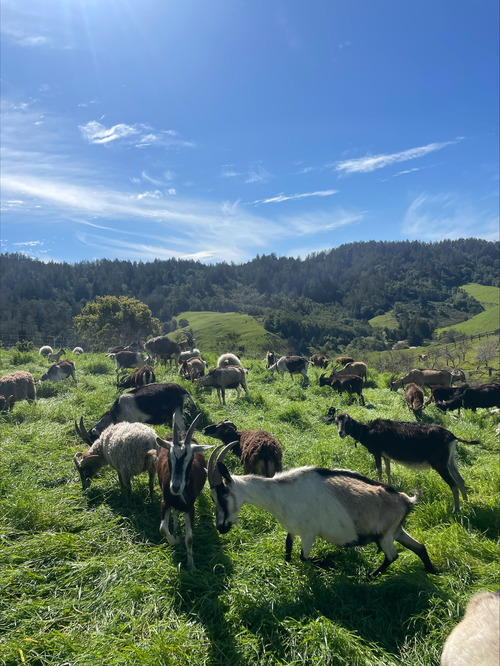
The timing of the loss has placed significant strain on Thibodeau’s business. “This is heartbreaking and devastating to necessary income for my working season to get through our off-season this winter,” she said. In an effort to recover, Thibodeau launched a GoFundMe campaign, which she credits with helping stabilize her operation. “The donations gathered for this fundraiser have given me peace of mind for the immediate wellness of my herd, who are like family, and the continuation of my business.”
While the incident underscores the unpredictable hazards of contract grazing, Thibodeau remains committed to her mission. “This is a tragic story with a hopeful and heartwarming ending,” she said, reflecting the resilience of both her animals and her work.
As of today, she has received 200 donations totaling close to $20,000.
www.GoFundMe.com/f/Help-Save-My-Grazing-Family
Kenny Coogan lives on a permaculture landscape and runs a carnivorous plant nursery. His educational TV series, “Florida’s Flora and Fauna with Conservationist Kenny Coogan,” will come out in the summer of 2025. Listen to him co-host the “Mother Earth News and Friends” podcast at www.MotherEarthNews.com/podcast.