Smith Farm Goat Sanctuary
A special goat rescue in North Carolina.
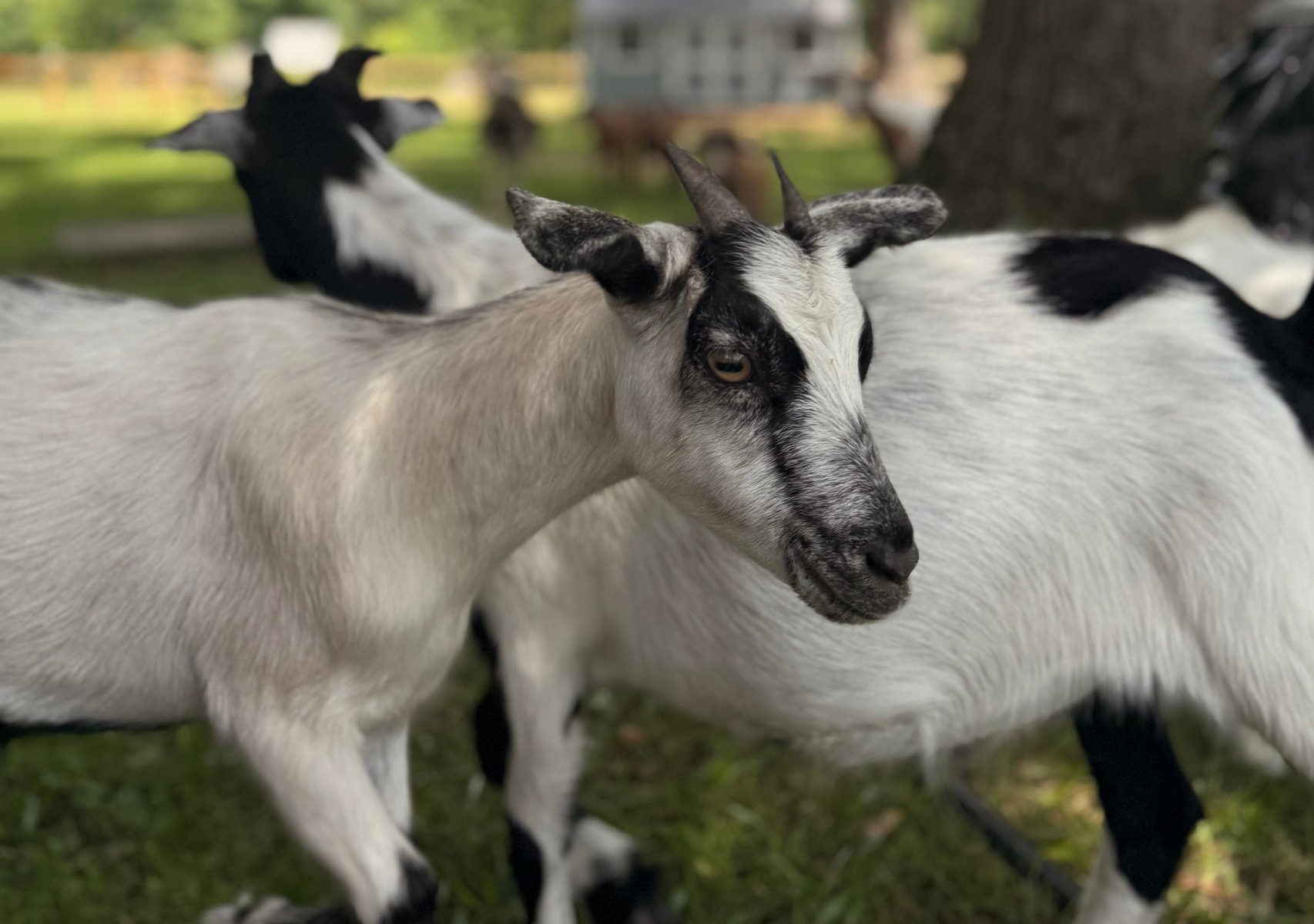
North Carolina boasts one of the most unique goat sanctuaries in the Piedmont area of the state — Smith Farm Goat Sanctuary — located on a 16-acre historical farm in Fuquay-Varina, North Carolina. “We’re a fledgling nonprofit,” says Jesi Wilde, a retired Air Force major and current president of the farm. Wilde moved to Fuquay-Varina from Washington, D.C., in May of 2023.
“I just wanted to be close to whatever animals were living in the area. I’d been volunteering in an animal sanctuary in Poolesville, Maryland, and I wanted to do anything I could to work at an animal farm,” Jesi explains. So, when she moved, she purposefully chose a house near a farm, “Because I could see the farm and animals from my porch!”
Wilde discovered that the farm primarily had goats, and began to volunteer there, eventually forming and becoming president of the new goat sanctuary. In an effort to build financial security for the goats, she began an ongoing program to involve the community in her efforts to support the farm and promote animal welfare.
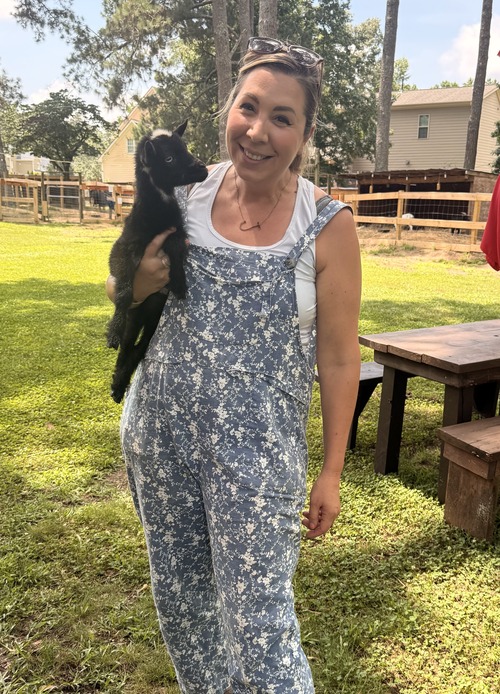
She offers family-friendly, inclusive events to raise awareness and funds to support the rescue. “Most of our events usually sell out,” Wilde reports, “which tells us people love playful and silly goats. It also tells us that these goats bring peace and joy to those who attend.”
For example, they partnered with the Fainting Goat Brewing Company, and an event was held featuring a silent auction and a band. “We were able to raise $8,000, which was huge as it allowed us to replace and repair much of the fencing, which was the beginning of us moving toward becoming an official nonprofit.”
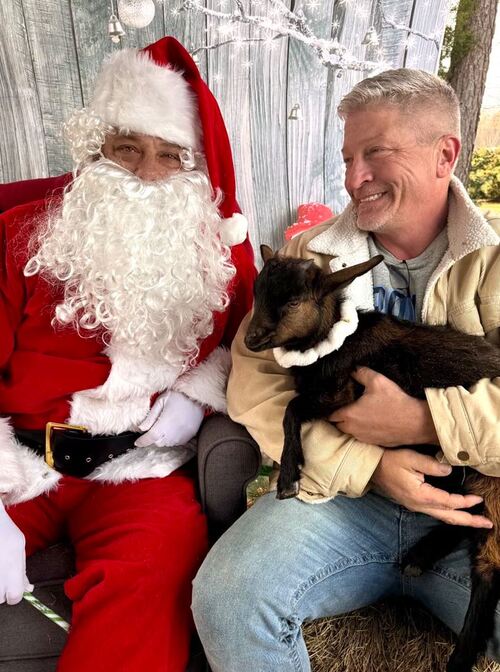
After holding two additional events and assembling a board of directors, they became an official 501(c)(3) nonprofit in 2024. “We now have a trading post on the property and hold 4 to 5 events per month,” Wilde says. The farm hosts various programs, including Sponsoring a Goat, Buy a Bale of Hay, an Amazon Wish List, and In Memory of Herd Heroes, as well as ongoing events such as goat yoga, music performances, and classes.
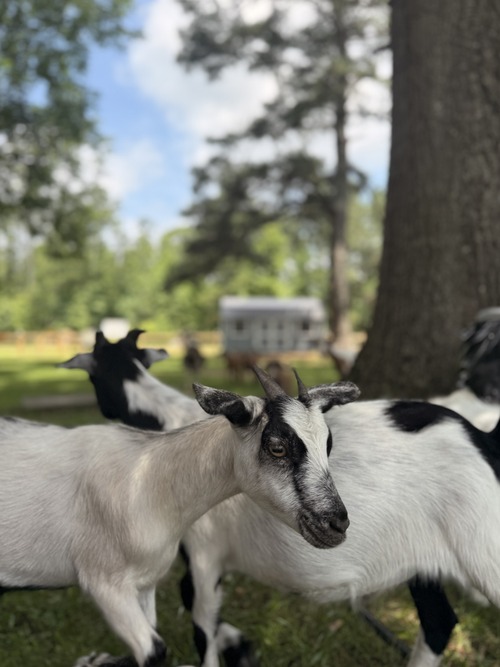
Classes offered include painting with a goat, hosting parties, and many other community activities, all of which feature the goats in attendance. “We also offer private encounters, and even bringing the goats to you,” she adds.
Wilde, performs about ten roles within the organization, which happens for many nonprofits. Aside from working another job connected with the Veterans Association, she serves as the farm’s social media manager, website administrator, and volunteer coordinator, and she handles event logistics, in addition to dedicating many hours at the sanctuary, which is a 100% volunteer-run facility.
Wilde states, “Volunteers at the farm assist with events, bring in scrap vegetables from local farmers markets, help clean up around the farm, and contribute other creative ideas and functions, all to help support operating costs.” She continues, “We are dedicated to providing a safe haven for goats, with shelter, food, and medical attention. Love is a constant around here.”
She describes a situation in which a group of people who were raising goats as pets had to deal with the HOA’s decision to ban goats from their property. So, what to do with the goats? “Rather than give them to a slaughterhouse, I added them to our herd, which increased the farm’s current count to 56. There was no doubt in my mind regarding the situation these goats were facing and that we could accommodate them.” Wilde reiterates, “The herd is composed of many different ages and breeds. They’re beautiful animals and need a decent life.”
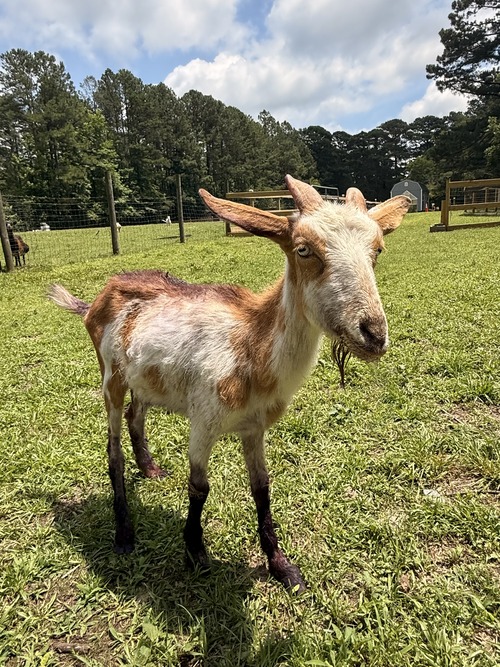
When asked if there are any goats that require special care, Wilde talked about a 3-year-old Kiko/Boer cross doe named Butterscotch. “Her subepidermal autoimmune bullous disease (SBD) has attacked the soft tissue all over her body, including her gums.” Butterscotch appeared content in the outdoor area of her enclosure and happily exited her private pen to the larger surroundings when her gate was opened. She was cautious as she approached the other goats and remained at a distance, seeming to enjoy the social contact from afar.
Since her fellow goats won’t include her in play, Wilde takes on the task of keeping her active. “She doesn’t require daily medication,” says Wilde. “But she does require treatment when she experiences a flare-up, which means spraying anti-bacterial spray on her lesions and keeping them as clean as possible.” Butterscotch receives nutritional goat pellets daily to ensure she’s getting enough calories, while she also browses on grass, hay, leaves, and whatever else she can eat.
When it comes to veterinary needs for the growing number of goats, Wilde is grateful for the care they receive from the veterinary school. She says, “The North Carolina Veterinary School takes care of any goat in distress, and they also send a team to take care of necessary castrations.”
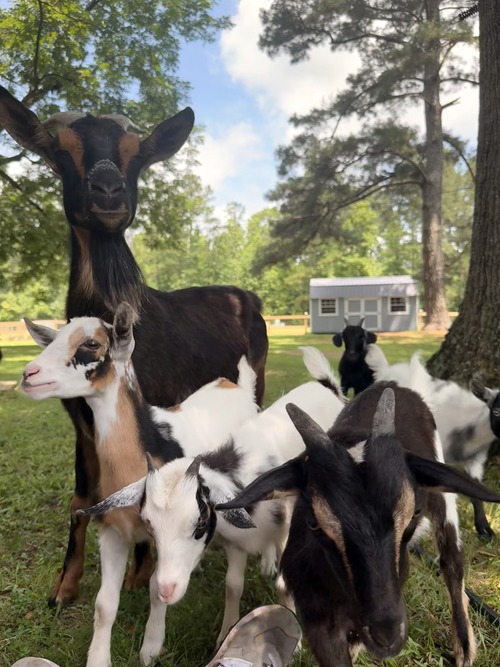
Aside from Butterscotch’s area, the landscape is dotted with a variety of pens and larger enclosures, each geared to the size, temperament, and age of the goats. There are corrals, open areas, pastures, and wooded areas where the goats can browse and stay cool, as well as trails throughout the woods where invited guests can roam and interact with the goats. Despite Wilde’s optimism, there are barriers to the future functioning of the farm, as is the case with many non-profits. “Resources are not endless,” she says. “But we do what we can.”
As to the future of Smith Farm’s Goat Sanctuary, “You never know what’s around the corner,” Wilde states. The farm still needs a two-lane driveway to allow visitors to get in and out. “When we’re able to acquire a tractor and new sheds,” she says, “we can offer more events to support the farm.”
A large part of Wilde’s mission is to educate the public on the importance of stopping the cycle of animal abuse, cruelty, and neglect. “We feel this is a great beginning, and, somehow, with our dedicated community, we will figure it all out.”
Resources:
- Smith Farm Address: 7221 Sunset Lake Rd. Fuquay-Varina 27526
- Phone: 919-346-4888
- Email: SmithFarmGoatSanctuary@gmail.com
- Jesi Wilde: cel phone: 412-448-7490
- Website: www.SmithFarmGoatSanctuary.org
- TikTok: Tiktok.com/@smithfarmgoatsanctuary
- Facebook: facebook.com/smith.farm.goat.sanctuary
- Instagram: Instagram.com/smithfarmgoatsanctuary
- YouTube: youtube.com/@smithfarmgoatsanctuary
ANITA B. STONE is an eco-friendly journalist who nourishes her traditional habit of nature and horticulture. Her love of the land and passion for teaching at the local community college and at senior retirement centers fill her time. She is always searching for new methods to improve the environment, grow food that benefits people, domestic animals, and wildlife. She is an author and master gardener in North Carolina, teaching others how to farm sensibly, making life easier and more fulfilling, and admits that she will always stay young at heart, just like her grandchildren.