Humane Certification for Goat Ranchers: Is It Attainable?
Reading Time: 5 minutes
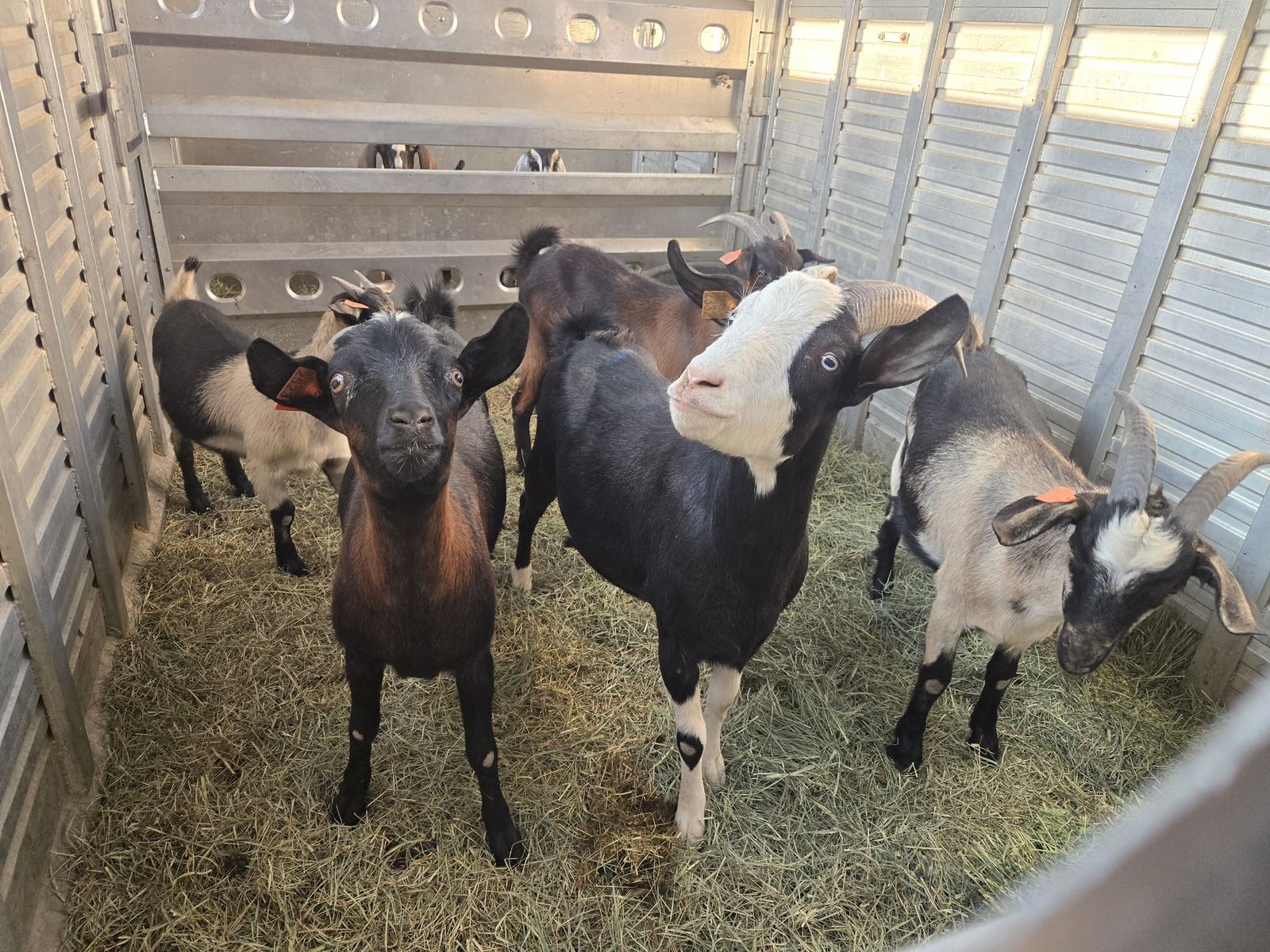
The word “humane” carries weight with consumers, but without certification, it can be misleading. Goat ranchers face unique challenges in meeting humane standards, and while certification is attainable, it requires significant commitment, resources, and sometimes compromise. Small farms are often assumed to be more humane, yet scale alone doesn’t guarantee welfare. Even modest operations can struggle with sanitation, veterinary care, or painful procedures performed without pain relief. Humane certification provides credibility by requiring ranchers to meet rigorous standards verified through independent audits. Without certification, the word “humane” risks being little more than marketing.
The Five Freedoms
Most certification programs are built on the internationally recognized Five Freedoms: freedom from hunger and thirst; freedom from discomfort; freedom from pain, injury, or disease; freedom from fear and distress; and freedom to express normal behaviors. For goats, that last freedom is especially important, since climbing, browsing, and social interaction aren’t luxuries but biological needs. These principles form the foundation of humane goat ranching and are interpreted differently across certification programs. Producers may agree with these principles in theory, but the way they are defined can exclude some surprising management practices.
Certification Programs
There are many certification programs, and each one’s esteem only holds as much weight as the public’s understanding of the requirements. Some widely recognized programs—Animal Welfare Approved (AWA), Certified Humane®, and American Humane Certified™—have a single certification. You meet the requirements, or you don’t. Global Animal Partnership (G.A.P.) uses a tiered five‑step program, beginning with pasture‑based Step 1 and scaling up to stricter requirements. For goats, there are no intermediate levels 2 or 3, meaning ranchers must leap from basic pasture standards to advanced welfare practices.
Cost and Criteria
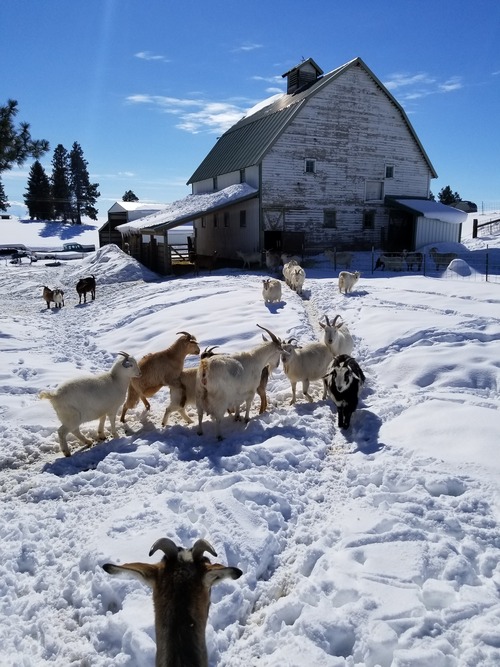
Meeting the criteria is just one part of certification. The next is the cost, which can be prohibitive for many small operations. Certification is not a one-time cost but an ongoing expense for annual audits and infrastructure upgrades, depending on the program. While some programs subsidize small farms, costs remain a significant challenge. Electric mesh fencing, for example, is prohibited for horned goats in some programs, requiring costly alternatives. Certification is attainable, but it demands investment and adaptation.
Producers should be familiar with humane standards, but many may find some requirements unattainable or even counterproductive. Frequently asked questions are addressed in certification resources — including shelter floor space, transportation allowances, and euthanasia protocols. Yet producers may discover that certain standards conflict with practical management or scientific recommendations.
What do Certification Standards Cover?
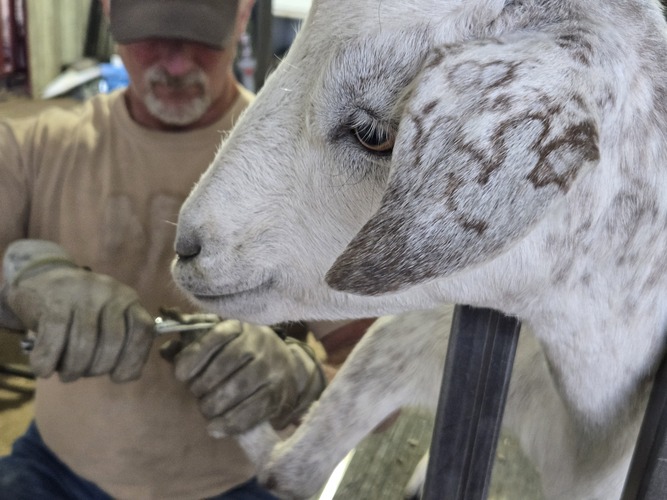
Certification standards reach into the daily realities of goat care. Pasture access is one area of difference: Some require continuous outdoor access, while others allow indoor housing during winter, provided animals have daily outdoor access. One program requires that all goats be thoroughly inspected at least once every 24 hours. That may be attainable for a herd of 20 — but is it realistic for 200 or 2,000? It goes further to say that all classes of animals must be sorted by age, size, or behavior. In our herd, that sorting stops at males and females. Doelings and maiden yearlings remain with the doe herd at all times except during breeding season, because in our practice, they learn mothering through observation. We’ve also observed that goats are highly family-oriented by nature and remain in multigenerational maternal groups. Our practice doesn’t meet this “humane” standard, yet we believe it more closely reflects natural goat behavior.
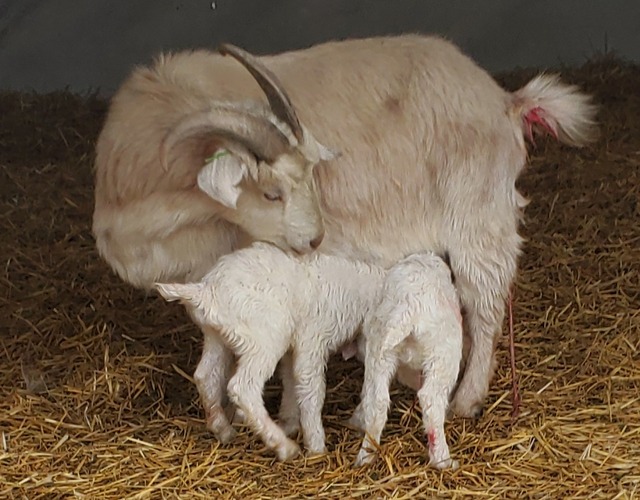
Conception, kidding, and weaning are also regulated. Some programs prohibit laparoscopic or surgical artificial insemination and embryo transfer. Substances to induce estrus may be used only for therapeutic needs or when a welfare benefit can be demonstrated. When conditions permit, kidding must take place outside on pasture. Assisted kiddings may be capped at 10 percent of births, and allowable weaning ages range from 12 to 16 weeks.
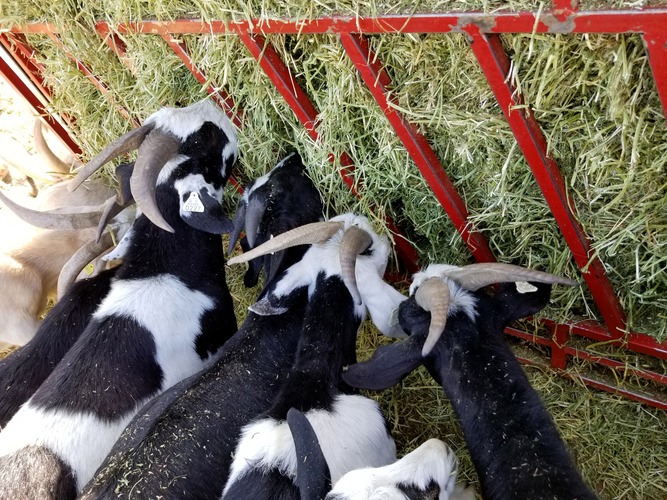
Requirements for physical alterations such as castration vary widely. Some programs prohibit castration after 7 days, while others allow up to 21 days with veterinary oversight. Yet scientific evidence suggests that castration for males destined as pets or pack animals should occur no earlier than 10 to 12 weeks. A study on Black Bengal goats found that early castration significantly reduced urethral diameter, increasing the risk of urinary tract blockages and painful urolithiasis. This creates tension between certification rules and best practices, resulting in our exclusion from those certification programs. We believe it’s more humane for a wether to have a fully developed urethra to avoid painful and often deadly urinary tract blockages.
Transport and slaughter rules can also be strict. Pregnant does can’t be transported during their last trimester. The planned use of stockyards or auction houses to sell animals is prohibited. Slaughter facilities must be audited if the label is used on meat. Other standards include monitoring mud scores and mortality rates; one program limits mortality to no more than one death per year in a herd of 100 goats. Producers may be surprised to find their practices fall short, or that they disagree with standards they’re unwilling to compromise on.
Consumers and Labels
Consumers face their own challenge: confusion. Labels such as “natural,” “pasture‑raised,” or “grass‑fed” can mislead, and without certification, they provide little assurance of actual welfare practices. Robust third‑party certification helps consumers cut through the noise, but standards differ across programs. Understanding what each label truly promises is essential for making informed choices.
Humane certification: possible, but not simple
Humane certification for goat ranchers is possible, but it’s not simple. It requires balancing science, practicality, and ethics. For ranchers, certification is a way to prove commitment to animal welfare. For consumers, it’s a tool to navigate a marketplace crowded with vague claims. Absent certification, it’s fair for buyers to ask producers directly about their management standards and to expect transparency. Ultimately, humane husbandry is about ethics — ensuring that goats are raised with dignity and care, and that the word “humane” means what it says.
Karen Kopf and her husband, Dale, own Kopf Canyon Ranch in Troy, Idaho. They raise Kiko goats, enjoy “goating” together and helping others goat. You can learn more about them at Kopf Canyon Ranch on Facebook or kikogoats.org
References
- Kibria, A.S.M.G., Rahman, M.L., Ahasan, A.S.M.L., Uddin, M.M., & Quasem, M.A. (2016). Effects of Castration on Penile and Urethral Development in Black Bengal Goat. www.researchgate.net/publication/301678328_Effects_of_castration_on_penile_and_urethral_development_in_Black_Bengal_Goat
- A Greener World Standards for Goats. https://agreenerworld.org/certifications/animal-welfare-approved/standards/goat-standards/
- Certified Humane®. Humane Standards for Goats. https://certifiedhumane.org
- Global Animal Partnership. 5-Step Animal Welfare Rating Standards – Goats. https://globalanimalpartnership.org/standards/goat/
- American Humane Society Farm Animal Welfare Certification Standards. https://americanhumane.org/what-we-do/certify-humane-treatment/farms/