More than Milk: Everything Dairy Goats Have to Offer
A dairy goat can do more than put milk in a pail.
What is the goal when one decides to get into dairy goats? One of the most common reasons is milk and milk products. Not as obvious to everyone at the start, but definitely a part of it, is selling kids. To have milk, one usually needs to have kids. Plan ahead and be prepared for this.
However, I would like to highlight all of the benefits that come with owning dairy goats. I find it’s important to make the most of my investment, time, and the goat’s ability to contribute to the farm and family, both for my sanity and to avoid wasting resources.
Productive, disease-tested, structurally sound dairy goats are expensive to buy and keep. Their fencing is expensive; they require decent housing (not fancy, but decent), proper hoof maintenance, and — to do their best for us — good-quality hay and grain. Not to mention good loose minerals, fresh water (even in freezing weather), and managing for parasite resistance.
Since good, productive dairy goats aren’t cheap to keep, I assess everything they can give me, not just dairy. It all counts.
Dairy Goat Contributions
Kid sales:
Markets for kids can include—but aren’t limited to—replacement breeding stock, show stock, meat, pack, companion, and pet. Personally, I avoid pet homes, but occasionally they can work out.
Milk:
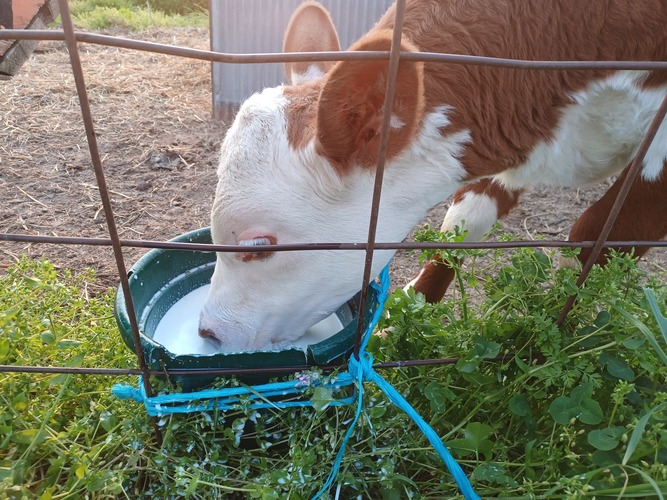
Milk for drinking, cooking, baking, soft cheeses, hard cheeses, etc. Additionally, milk is used in soaps, lotions, and other products. Selling or bartering excess milk may or may not be an option, depending on your location. Be sure you check into the legalities for your area. Milk can also be used to raise healthy freezer meats (if this is an option for your acreage and situation). My favorite way to use excess fresh milk is to raise something to fill my family’s freezers.
- Calves are my favorite, but they’re a longer-term investment that requires pasture to do them justice. And with the current price of bottle calves, you need to be well-connected to make that worthwhile.
- Lambs and goat kids will fill the freezer by fall, and be happy to guzzle any extra milk.
- Pigs are happy to clean up extra milk and will also be in the freezer by autumn.
- Chickens appreciate milk, both fresh and clabbered.
Meat:
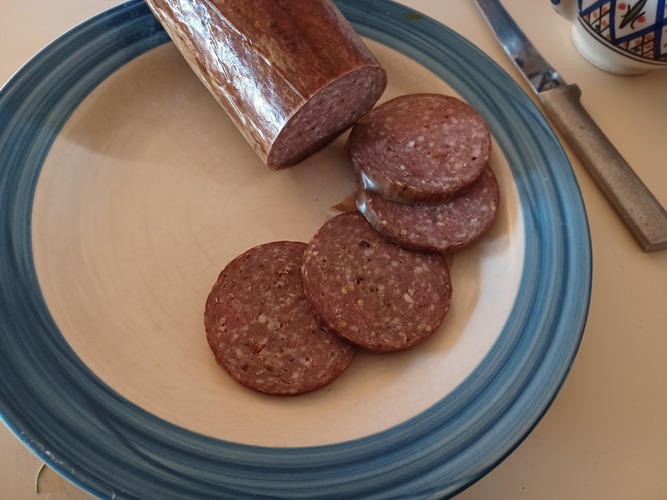
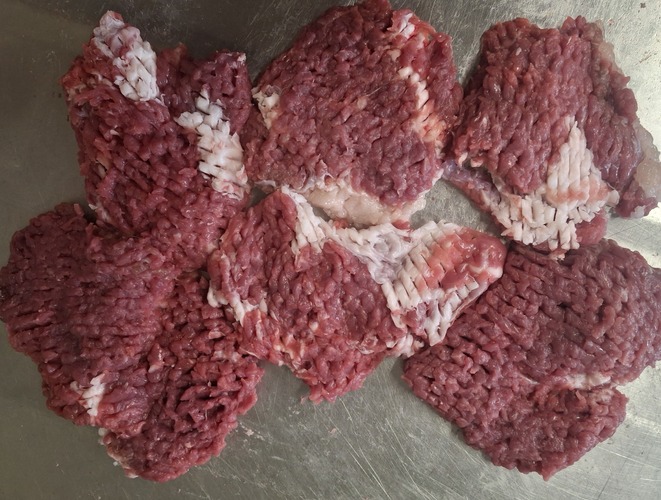
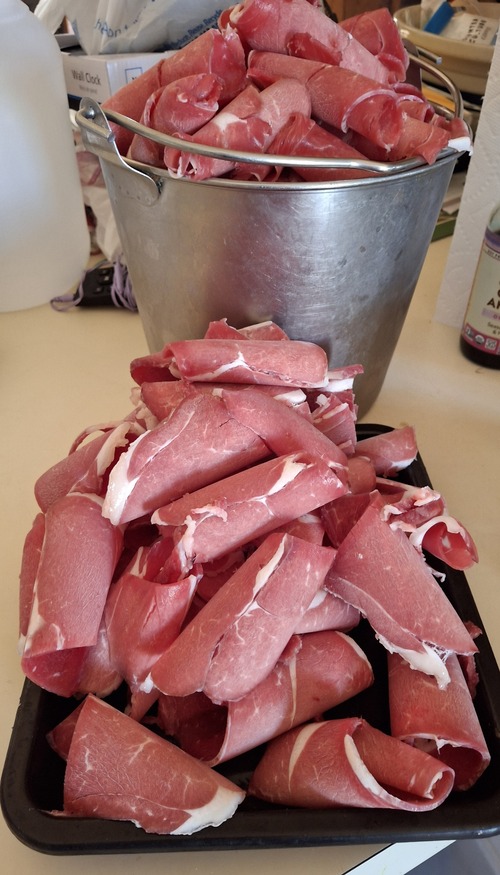
Yep, those dairy goats are made of meat, and my excess dairy bucklings fill my freezer beautifully every autumn. As do my adult cull does and bucks. In my experience, milk raises out dairy kids for meat purposes better than any feed. I milk-share with most of my bucklings by putting them up at night, milking the does out in the mornings, then they run together all day. I castrate the bucklings, and I don’t wean them. I simply leave them with their dams until harvest day. They live a great life with the herd.
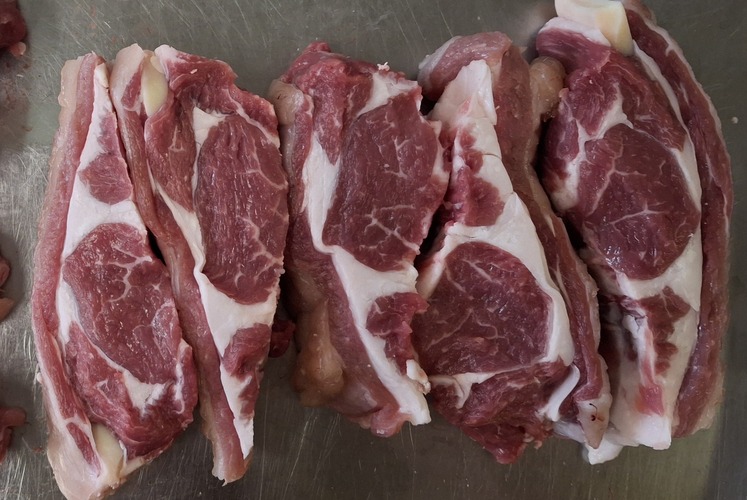
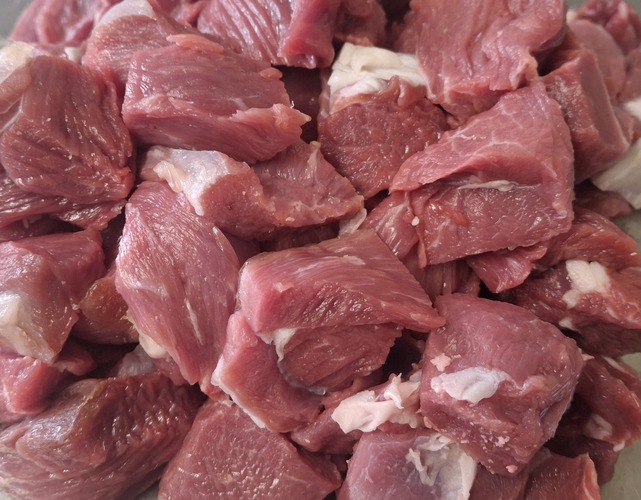
Most of my wethers easily average 100 pounds or more by autumn, and when the mornings are cool and the weather is nice, they calmly end in an instant and go to feed the family through the next year. By leaving them with their dams and milk-sharing, I get the best growth on the boys and the least stress on my schedule. In this way, my dairy herd easily fills both my family’s milk and meat needs.
Organ Meats
Although I struggled with organ meats. I didn’t grow up in a family that ate organ meats. The closest we ever got was the occasional fried chicken liver. But, as I grew into harvesting all my own meat from my homegrown animals, I really wanted to use everything, out of respect for the animals who die to feed my family.
Hearts:
I discovered that I really enjoy hearts fried up in butter. Alternatively, the heart can be added to the ground meat, and you can’t even tell it’s in there.
Liver:
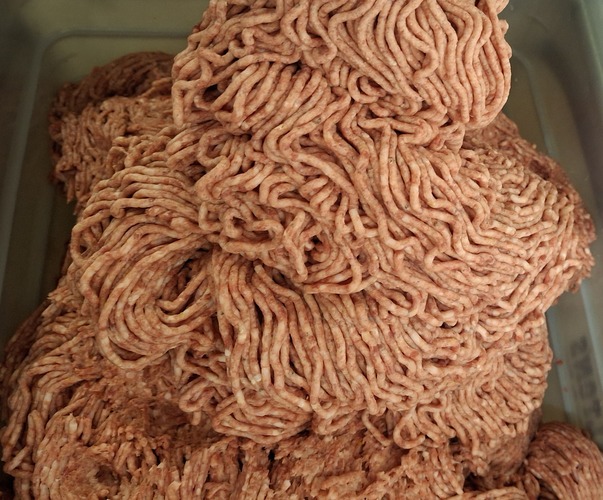
I don’t like beef liver. I’ve tried. So now, I just grind my liver into my hamburger when we harvest a cow. But I really like the mild and sweeter goat and sheep livers. Cut into strips and fried in butter, then seasoned with salt. Some people bread it, I don’t. Alternatively, I will grind some into the ground meat to ensure the liver haters in the family still receive the health benefits. I make a lot of burgers, so I can easily grind the liver into them. Don’t add too much liver to the burger, or it will change the taste and texture. If you aren’t sold on any of these, dried or fresh liver makes great dog treats.
Kidneys and Spleen:
Kidney and Spleen can be ground into plenty of burgers, or they make great raw or dried dog treats.
Kidney and caul fats:
Healthy, milk-fattened kids have a lot of kidney and caul fats. Thinner goats will have less.
My sister renders all my goat kidney and caul fat. In return, I get back a percentage of amazing tallow body products and cooking tallow. Amazing and effective! She finds that the kidney fat tallow makes the best body products, and the caul fat renders into a softer tallow perfect for cooking purposes.
Bones:
Bones are great for roasting and then making bone broth. If not that, they’re a great addition to a raw dog diet, or as treats.
Hides and other parts:
The lungs, esophagus, and scrap make wonderful raw or dried dog treats and dog food.
My big farm dogs eat the stomachs and intestines. All they leave is the actual stomach contents, which are perfect for chickens to scratch through; they’ll eat what they want. The rest will dry out, and after a few rains, be absorbed back into the soil to nourish new growth.
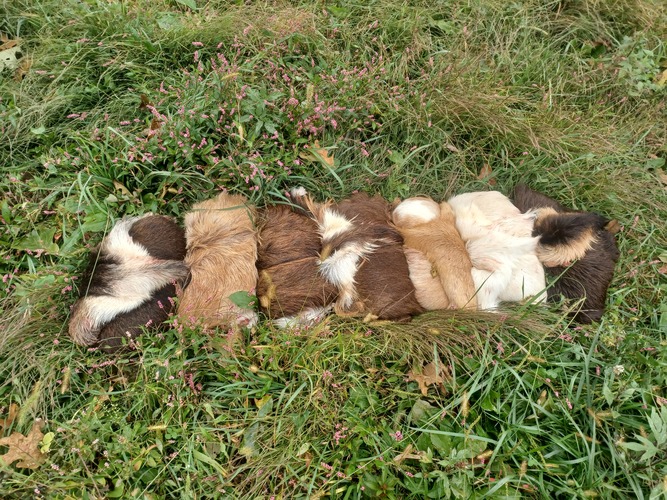
The hides are something I’ve never had time to utilize properly, so I give them away every year to people who want them for tanning projects. Many also want the heads to use the brain as part of the brain-tanning process or for crafting and decorating. If decorating with skulls isn’t your thing (it’s not really mine), there are always people willing to barter for skulls, or just take them for free. I’m just thankful that nothing is wasted.
Brush control:
Obviously, dairy goats have talents as brush control experts. Mine spend all day out browsing and eating brush, as long as it’s not raining.
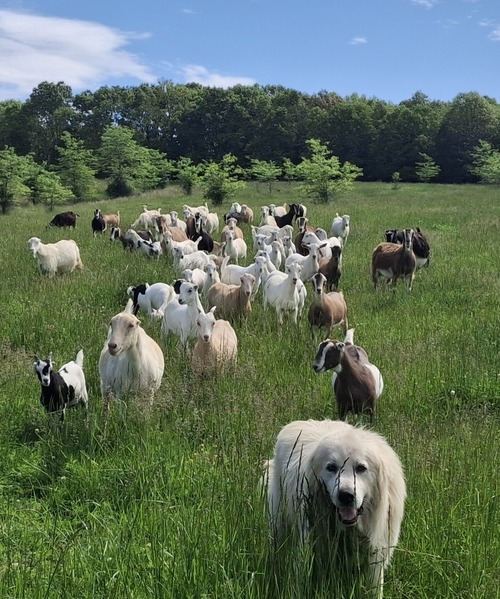
Photo credit: Emily Dixon
Companionship and entertainment:
They certainly can provide that, though it’s hard to put a value on it. But they help keep me sane, that’s for sure.
Compost:
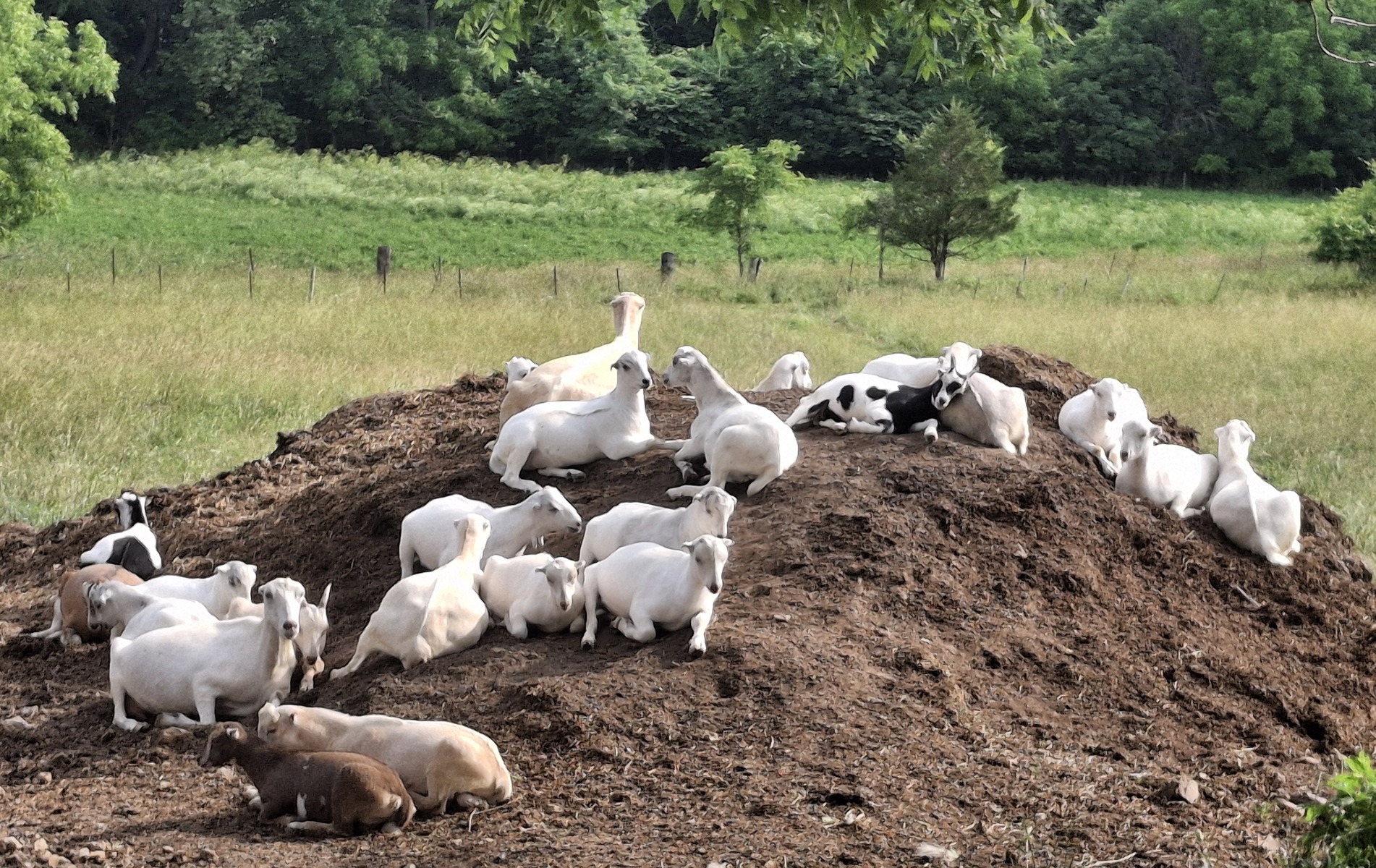
One of the biggest frustrations for any goat owner is the herd’s talent for wasting hay. However, it isn’t a waste if it ends up as beautiful compost for gardens, raised beds, or flower beds, or if it goes back onto the fields to enrich the soil, ultimately making our lives better in the long run. I love my compost pile because it literally takes no more work from me once it’s out of the barn and piled high. Every spring, I open the barn and we do a deep clean of the “wasted” hay and all the winter’s bedding, manure, and urine, all the way down to the dirt. In some places, it is a few feet deep or even deeper. I end up with a huge pile of stinky straw, hay, and manure, which requires nothing from me but waiting.
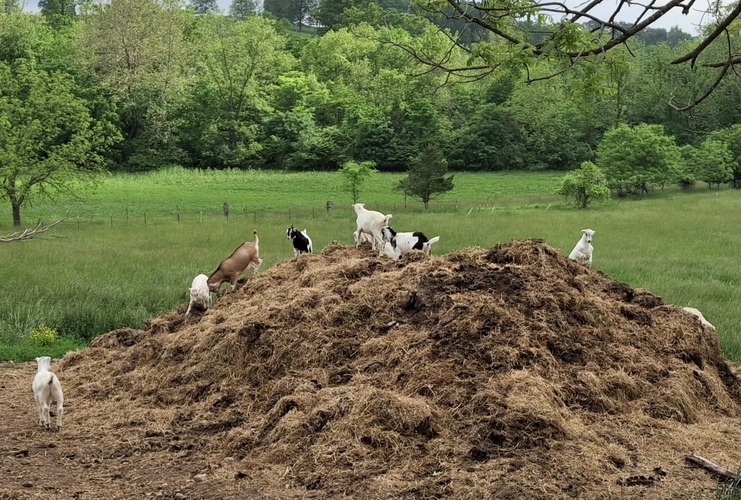
All year, the goats will play on it, sleep on it, and play king of the mountain on it. The rain and snow will soak it, the sun will bake it, the wind will dry it, over and over again. By the next spring, it is a beautiful black compost, completely ready to grow anything I want to plant in it. Nothing is truly wasted this way.
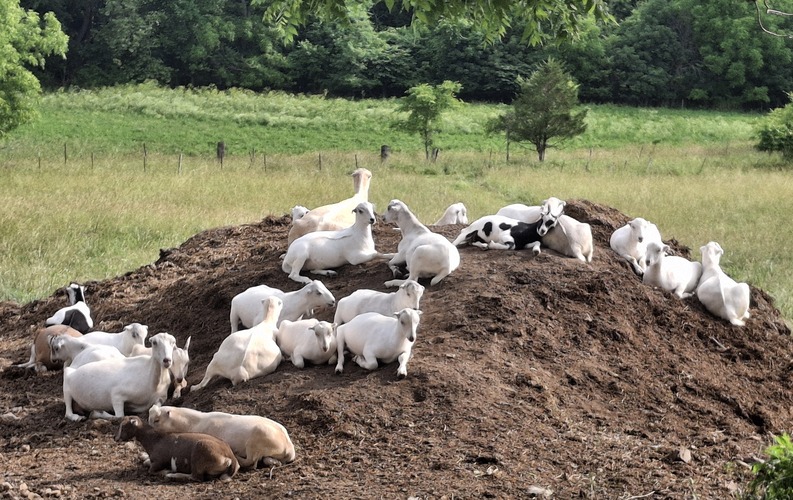
If you have more than you can use, you might find someone willing to barter for ready-to-use compost.
Everything Counts, So Count Everything.
I’m sure there are other contributions dairy goats can make that I have forgotten in this piece. Goats are versatile. Dairy goats never have to be just dairy. Don’t discount anything. Goats can be expensive, but they can give back just as much, if not more, than they take. I appreciate them for the many ways they enrich the life of my family.
EMILY DIXON lives in the Ozarks of southern Missouri. She started with a hodgepodge of goats in 2000 before quickly focusing on LaMancha and Nubian dairy goats. She also kept a small commercial Boer herd for about 10 years and spent three years milking a large commercial dairy herd. She now concentrates on registered LaManchas and recorded-grade dairy goats for milk and meat. She also keeps beef cows and an always-fluctuating menagerie of dogs and cats. Her passion is her family, farm, animals, and humane, compassionate dairy and meat production.