Featured Stories
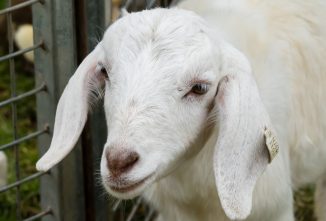
I’m Selling, Trading, or Giving Away My Goat
Peggy Boone, owner of International Goat, Sheep, Camelid Registry IGSCR-IDGR, gives a short tutorial on the need for permanent identification.
Read More
The Gävle Goat
A 42-foot high straw goat, termed the Gävle Goat, is erected each year but often meets an unfortunate fate before the end of Advent.
Read More

Goats Are Superheroes!
Could it be a vibration in the ground or a smell in the air? No one is sure, yet, what is triggering their retreat, but the rumor remains that if you see a goat running or hiding, it might pay to follow it!
Read More
Katherine’s Caprine Corner November/December 2020
Katherine Drovdahl MH CA CR CEIT DipHIr QTP answers your questions about feeding alfalfa to pregnant does, toxemia and ketosis, and why feeding flaxseed is better than cottonseed.
Read More
Permanent Identification for Goats in the United States of America
Whether you legally must have permanent identification on your goats, or if it’s just a good idea, here are guidelines to tagging your herd.
Read More
Is Raw Milk Illegal?
Humans have enjoyed raw milk benefits for millennia. But now only 28 American states allow the sale of raw milk and it is illegal in Canada.
Read More
Chlamydia in Goats and Other STDs to Watch For
When we think of breeding, we think of babies — not biosecurity — but diseases such as chlamydia in goats can be transmitted sexually.
Read More
Keeping Goats With Chickens
Keeping goats with chickens is possible and can benefit both species.So you’ve had chickens for a while and are enjoying those awesomely flavorful homegrown eggs.
Read More
How Long do Goats Live?
When you consider adding goats to your life, this piece of information is important. Asking how long do goats live, brings answers about how to plan for your goat’s lifespan.
Read More
What to Do with All Those Buckling Goats!
Those new buckling goats are fun until you’re overrun with babies. What are goats good for? We have answers.
Read MoreGoat Journal has Transitioned
Goat Journal Lives On with Countryside & Small Stock Journal
Goat Journal is no longer available as a standalone subscription, but its spirit and expertise live on within Countryside & Small Stock Journal. When you subscribe to Countryside, you also gain full access to Goat Journal's website and archive as a bonus — every article and back issue, plus members-only Goat Notes and more! And with Countryside as your guide, you’ll have the knowledge you need to live a more self-reliant, satisfying life.
- Raise healthy animals from pasture to plate
- Grow and preserve the most nutritious food for you and your family
- Cook simply and naturally
- Build things yourself and take pride in your handiwork
- Treat ailments naturally and take control of your own health and longevity
- Fix what is broken so you get the most out of your investments
- Create your own certainty in an uncertain world
- And more!

Canadian Subscribers • International Subscribers
Canadian subscriptions: 1 year (includes postage & GST)