What to do With Old Goats
Looking beyond the productive years.
Reading Time: 6 minutes
No matter what the purpose of your herd is, old goats are something every goat keeper will eventually have to face and decide how to handle.
It’s hard to think that the duo of young milkers you just added to your life will, all too soon, be aged does. That trio of weanling meat does, the start of your goat adventure, will one day be the old matriarchs of your meat herd. The doelings you retained from your first kidding season will hit double digits before you know it and will have a harder time maintaining condition through the winter. Your favorite young buck will stop easily bouncing back from rut sooner than you think. No matter their purpose, they all get old.
You’ve researched all about goats, and now that you have them, you’re putting all that research to work and are prepared to give them a good life. But are you prepared to give them a good death?
Many new goat owners fail to plan for the end of their goats’ lives. I know I didn’t consider it when I got my first goats. Now, 24 years into this goat adventure, I feel it’s as important to plan for their death as it is to prepare for their life.
As livestock owners and practitioners of animal husbandry, it’s our responsibility to give the animals in our care the best lives and deaths possible. That’s where having a plan for their entire life comes in.

There are a few options for older does and bucks nearing the end of their productive lives, and none are easy if you’ve handled and fed these wonderful animals their whole lives. Having a plan before you’re forced to make a decision is better for both you and your animals.
The daily hands-on attachment to milking stock makes it especially hard to consider for our old milkers. However, all goats are capable of such wonderful personalities that deciding at the end can be hard, regardless of the reason for keeping them. So, what are the options for goats that are beyond their productive years?
Retirement
Retirement is nice if you have the room and the means to carry an old goat in the herd for a few years. Every animal is different. Each one reaches the age where they should be retired from breeding and production at a different time.
A lot depends on genetics and management. Giving an old goat a retirement and then, as their quality of life declines, a humane death is a blessing. Not all have the funds or the room to carry a nonproductive member of the herd.
There’s no shame in this. Knowing how much you can handle makes life better for you and your goats.
Food
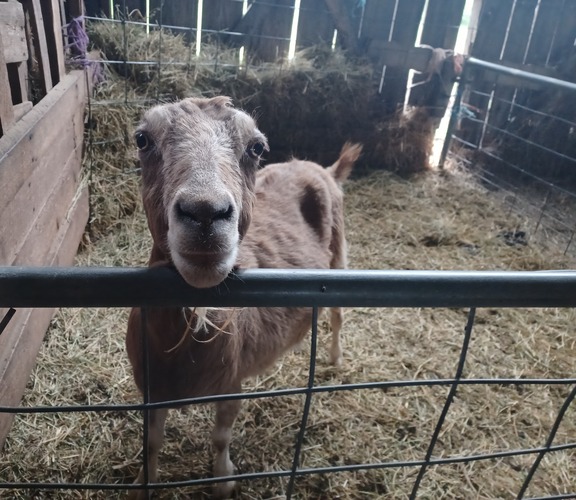
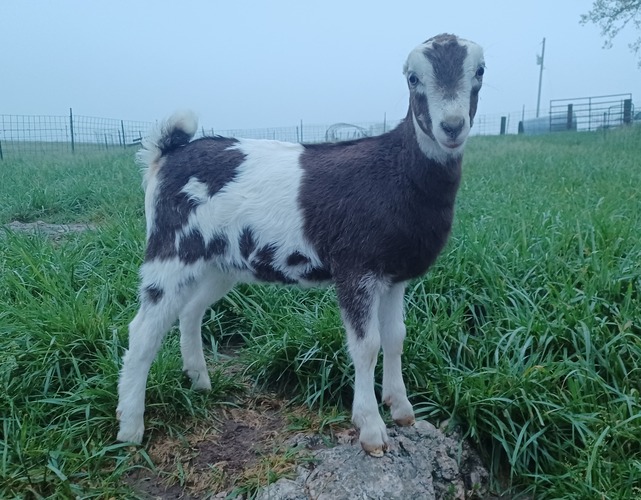
Contrary to popular belief, older animals aren’t past the age of providing quality meat for your family. Dairy goats can also be providers of good meat. Healthy older goats in good weight can still offer delicious, quality roasts, burgers, and sausages. A freezer full of healthy, humanely-handled and processed meats is a thing to be proud of. If processing your old goats isn’t something you can do, you might check if any friends or family might be interested.
If that’s not something you’re interested in, they can provide a lot of quality dog food. Nothing wrong with that, and nothing goes to waste. Many livestock guardian dogs, farm dogs, and pet dogs eat well on old goats. Either cooked or raw. I feed my dogs a raw diet this way.
Euthanasia
If retirement isn’t an option, and meat for the family or the dogs isn’t something you’re interested in, there’s always the humane option of a well-placed bullet (equals instant death), or if that isn’t something you can do based on location or ability, an appointment with a veterinarian for euthanasia. Since goats are kept on all sorts of acreage, from backyards to hundreds of acres, ensure the disposal method you plan for is possible. Burning or burial may not be possible on small acreages.
I’ve seen dead goats dumped off the edges of backroads to be someone else’s problem. Unless it’s legal to put dead livestock out like it is in some national forest areas, don’t be that person.
Responsibly care for your livestock before and after death. Depending on your location, there may be regulations regarding the disposal of dead animals. Do the research for your area and find out your options so you know what’s legal when the time comes.
Sale Barn
While I’d like to think that all old goats get a retirement or a simple, humane death at their owners’ hands, there are many herds where this won’t be feasible, either because of large numbers or economic reasons. Some want the ease of sending a load of aging does off and getting back a check. Though it isn’t my favorite option, it’s at least a plan. Some areas don’t have monthly livestock auctions, and some auctions don’t take goats or sheep. So, if this is your choice, research the available options.
What I do
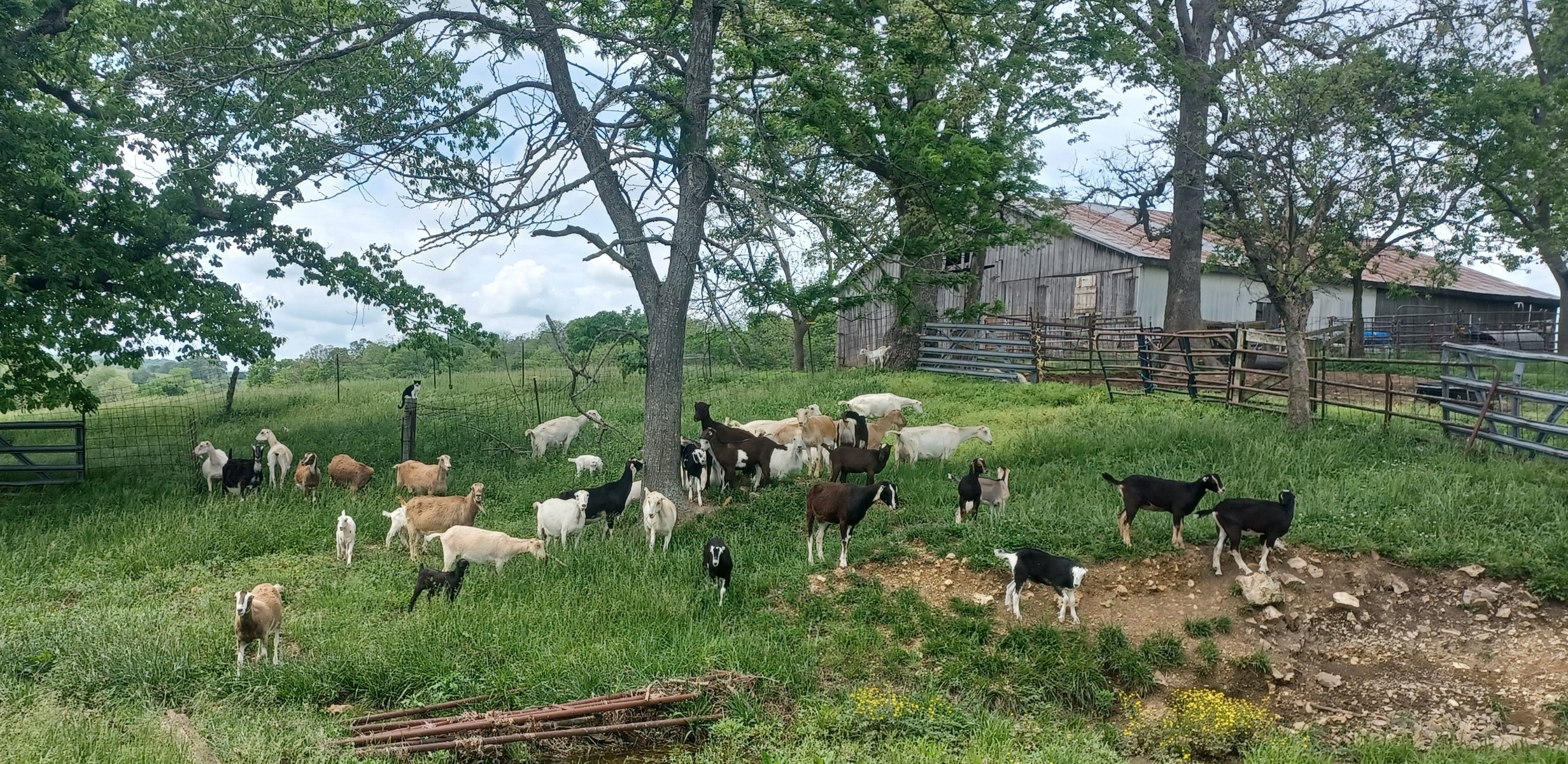
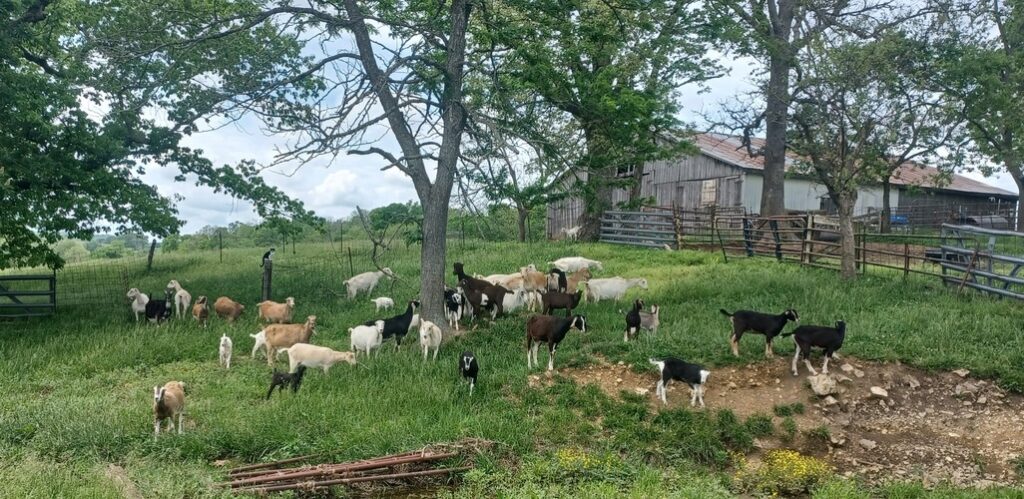
I started with goats without thinking of what would happen when those babies aged out of production. My plan for aged goats has evolved with my management. My herd is, on average, about 30 to 40 head. I raise LaMancha dairy goats for milk and meat, and generally retire my does around 12 years old. I have the space and can afford to carry a retired doe or two every few years. Once their quality of life starts to decline, I humanely put them down before winter, and they’re buried up on the hill with the old herd mates that have gone before. If, for some physical reason, a doe needs to be retired earlier, I put her into the family freezer. I can’t afford to carry a relatively young goat through retirement.
We love goat meat. It’s one of our favorites, along with homegrown beef and lamb. If there ever comes a time when I can’t afford to retire my old does, I’ll put them in the freezer to feed the family.
I have the same plan for breeding bucks that are no longer needed or, for some physical reason, can no longer be used for breeding. Fat and well out of rut, they make delicious freezer meat.
The goats aren’t stressed or afraid and don’t know what’s coming. This is my plan for every goat that lives here. Honestly, knowing the meat in my freezer lived a great, full life and died a humane, stress-free death gives me great peace.
Last fall, I said goodbye to another two much-loved, old, retired ladies. I gave them a last feeder full of oats, a last round of chin scritches, and nose kisses. Then I walked them out of sight of each other and did the last kind thing I could do for them. Then I cried and buried them.
Their old bones won’t shiver as the winds howl this winter. They won’t struggle to maintain body heat through the long, bitterly cold nights. We go through this merciful routine every few years with retirees as the old ones cycle out and make way for the new. It isn’t easy, but it’s right. And having this plan is a comfort to me, even if it isn’t comfortable.
Make a Plan
Having a plan when the day comes makes it better for both the owner and the animals. Know your options. Because sooner than you think, those much-loved animals will start showing their age. Knowing how far you’re willing to carry them and where they will go once you can’t, brings peace to this decision.
Every goat owner has a different situation. Everyone has different needs. Every plan is different. The important thing is to have a plan. Many people don’t think about it until the situation is upon them, and it’s harder on everyone. I want to stress that very few old animals die “peacefully in their sleep.” Extending an animal’s life past the point of quality of life isn’t humane. Once their health is in decline and complications of old age arise, it’s our responsibility to do the last kind thing and end their lives before they suffer.
Do the research and make a plan. Happy Goating!
EMILY DIXON lives in the Ozarks of southern Missouri. She started with a hodgepodge of goats in 2000 before quickly focusing on LaMancha and Nubian dairy goats. She also kept a small commercial Boer herd for about 10 years and had a three-year stint milking a large commercial dairy herd. She now concentrates on registered LaManchas and recorded-grade dairy goats for milk and meat. She also keeps beef cows and an always fluctuating menagerie of dogs and cats. Her passion is her family, farm, animals, and humane, compassionate dairy and meat production.
Originally published in the Winter 2024 issue of Goat Journal.