Jersey Mini Goat Breed
A new dual-purpose breed.
Reading Time: 5 minutes
In an effort to help others, Robin Bruins decided to start breeding the Jersey Mini goat, a new breed of goat in the making.
Robin Bruins grew up in Rehoboth Beach, Delaware, where her parents had a small farm, produce and vegetable stand, and livestock, including Alpine goats. She studied animal science and agricultural education at the University of Delaware. A senior project on goats, conducted with her professor, Dr. George Haenlein, piqued her interest in production records. Fast forward a few decades, and Bruins’ church has an active mission project in Malawi.
“We decorate the church, and you can come in and purchase something for the mission,” Bruins explains. “You can also donate something to the Malawians, like a goat.”
Every year, Bruins brought a dairy goat to the church as a prop. The minister’s wife explained to her that they send local meat goats to the village they work with.
“I started researching raising goats in Africa,” Bruins explains. “I thought, let me breed a goat that would flourish there and be a better milk producer.”
Jersey Mini Origins
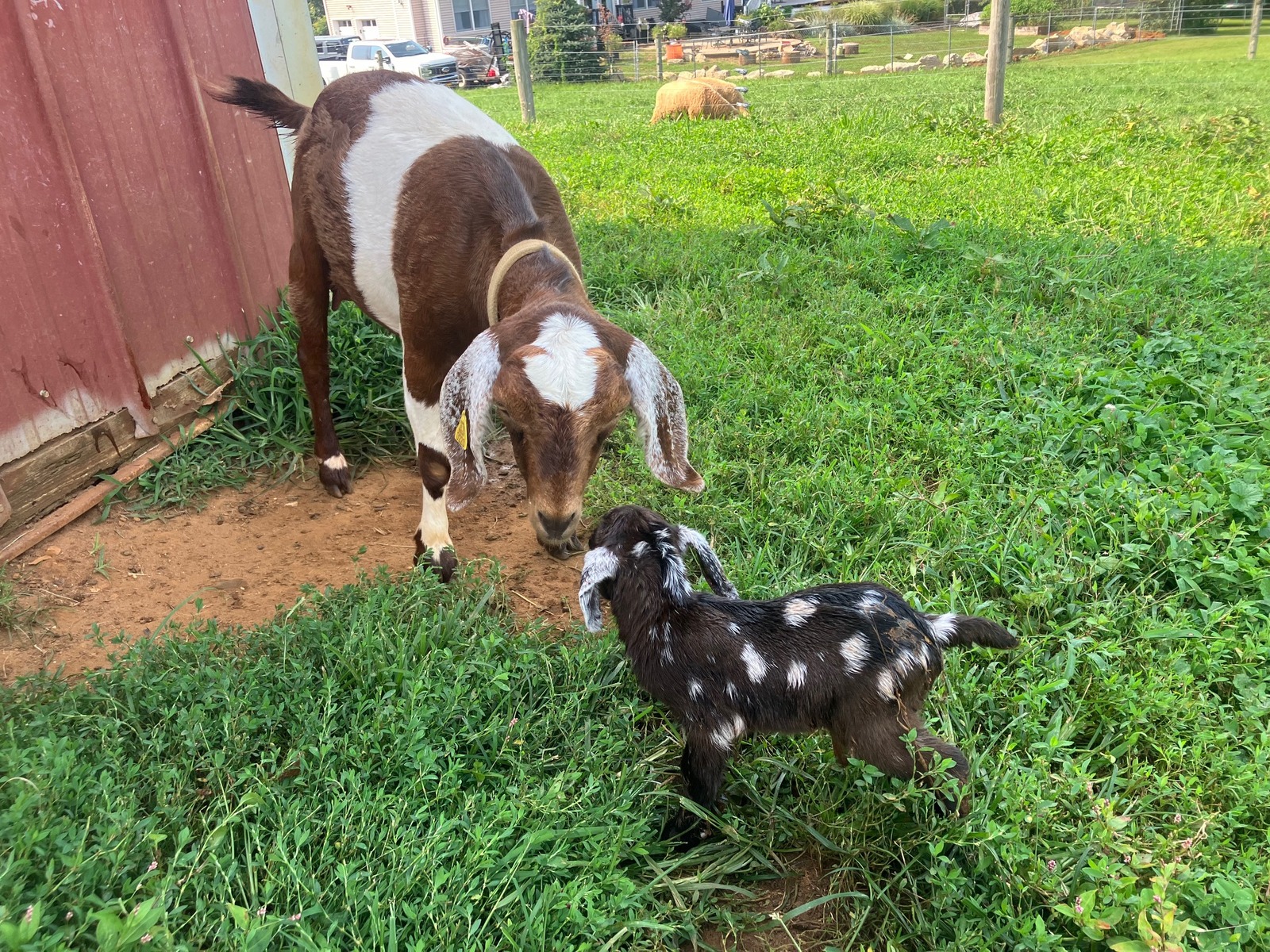
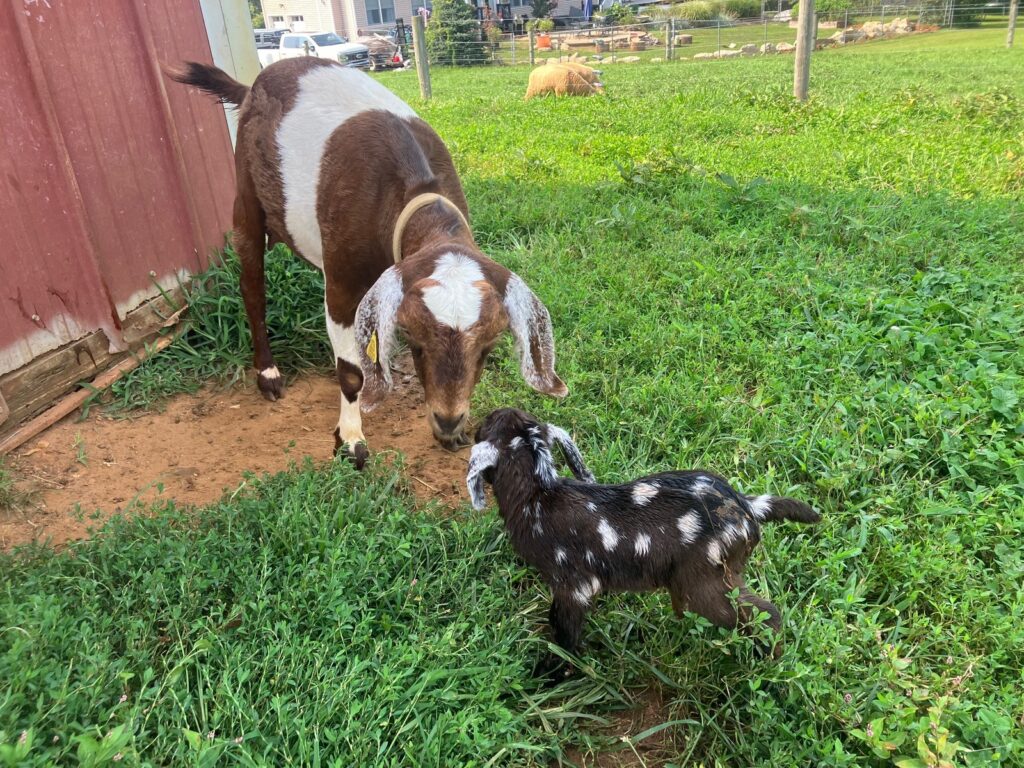
The foundation stock for Bruins’ Jersey Mini goat herd started 10 years ago with a Boer goat and a “little guy who was half-Nigerian Dwarf goat and half a lot of other things.”
“I really wanted to breed smaller than the Boer goat but bigger than the Nigerian Dwarf goat,” Bruins explains. Her goal was a streamlined look that was fast-growing and good for the meat market.
While different communities in her area are interested in goat meat, goats don’t grow as fast as lambs, which can gain a pound a day in the summer, so most gravitate to lamb meat instead. She reasoned that if she produced a high-quality, dual-purpose animal in New Jersey, both she and the Malawians could benefit.
When she learned that exporting the newly named Jersey Minis would be cost-prohibitive, she decided to share her breeding plan so the people of Malawi could replicate it.
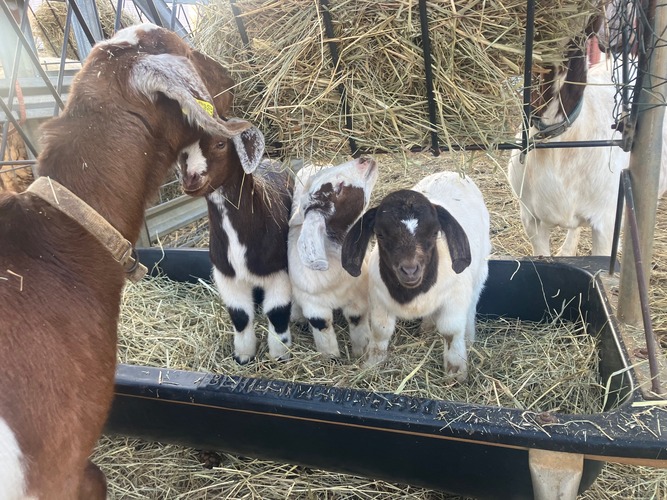
“I design the recipe, and they can cook the pie,” she laughs. “Once they have the information about what I did, it’s up to them whether they choose to use it or not. In my opinion, there’s not really a dual-purpose goat prevalent in America today. Nubian goats are talked about in that way but, as far as evaluating a carcass, I’d put my goat up against any Nubian goat.”
What She’s Breeding For
Currently, she’s about 10 generations deep in her Jersey Mini goat breeding program. The first generation was larger than she wanted. She’s also had a few that were too small.
For confirmation, she’s looking for beautiful udders. For butchering, she’s looking for animals that are ready in six months. After the initial Boer doe to half-Nigerian Dwarf buck cross, she’s worked on linebreeding to keep certain traits prominent. She estimates she’s produced around 10 kids a year, so close to 100 total in her program. Kids that don’t fit her goals are sold as pets or butchered.
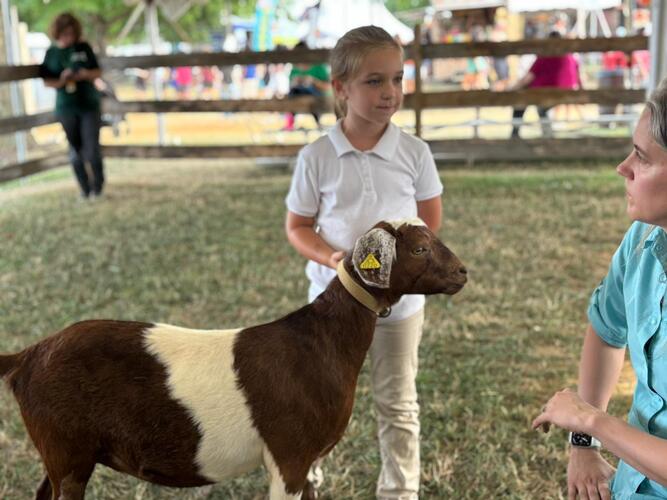
“I look at an animal and judge it for conformation,” Bruins explains. “Conformation translates to production. If you have a narrow-backed doe, she’s more likely to have problems with kidding.”
She says conformation starts at the ground. She looks for straight legs. If they’re toeing out, that pulls the hocks in, and there’s not enough width for a well-developed mammary system. If their shoulders are sticking out too far, it will put pressure on the bottom of their leg or foot, and they’ll be unable to walk.
Since the breed is relatively new, about 50% of the offspring are kept for breeding. If she had a larger sample size, she’d cut 80% out of the equation.
She says choosing which individuals are best can be difficult. She has to evaluate which ones are easy to work with, grow well, and produce enough milk for their young?
Thriving on Less
Another aspect of this breeding project is the breed’s ability to thrive on nutrient-poor feed, similar to what they’d find in Malawi.
“Right now, there’s no grass. It’s well into winter, and my husband is really trying to nurture our pastures and not let the goats overgraze, but it’s hard on six acres for sure.”
The Jersey Mini goats are currently being supplemented with hay but aren’t getting much more grass than they would in Malawi.
Most of her young goats are sold as 4-H projects and have proven to have a good temperament for the families. She says that her Jersey Minis are great foragers in the pasture or woodlot, devouring produce from the garden and willing to eat poor-quality hay.
The Future and Promise of the Jersey Mini Goat
The primary goal for Bruins was to develop a dual-purpose breed with a solid conformation and good temperament. Bruins says that she’s happy with the results so far. “We’ve been successful in selling our kids for the meat market.”
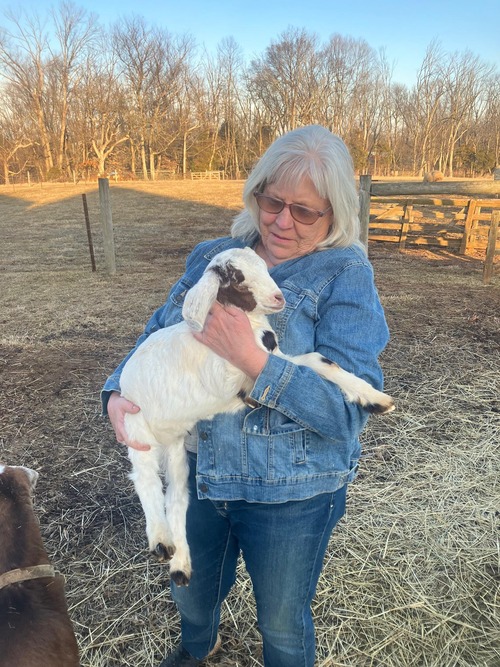
“They gain weight on pasture and can satisfy the demands of the market. Although not as large as Boers, they produce enough meat in high-quality cuts, such as loin and leg, to satisfy. As dairy goats, they can’t compete in quantity with the traditional dairy breeds, but are able to raise a set of triplets and can be milked, if that’s the desired purpose.”
Bruins hasn’t heard back from the mission in Malawi on whether they’ll choose to use her breeding recommendations or not.
“I feel that if the mission in Malawi wants to adapt their goat enterprise to a dual-purpose operation, the foundation that I’ve given them with the meat quality from the Boer and the dairy character from the Nigerian Dwarf goat, blended with some grade goats to create hybrid vigor, is a great recipe. As an American, I know that sharing agricultural ideas with another country must be done at the pace of the other country. Too often, we’ve imposed American ideas of what to plant and raise when that’s not what the people want. I was proud to share my ideas and will continue to stay in contact with them.”
Kenny Coogan lives on a permaculture landscape and runs a carnivorous plant nursery. His educational TV series “Florida’s Flora and Fauna with Conservationist Kenny Coogan” will come out summer of 2025. Listen to him co-host the “Mother Earth News and Friends” podcast at www.motherEarthNews.com/podcast.
Originally published in the August 15, 2025 digital issue of Goat Journal.