Goat Horns Throughout History
The Enduring Legacy of Goat Horns
Reading Time: 5 minutes
Even before domestication, goats and their horns played an important role in human life. From tools for daily work to signaling ceremonies and battles to objects of beauty, symbolism, and religious reverence, goats have provided the basis for cultures’ communities throughout history.
Physiology of Goat Horns
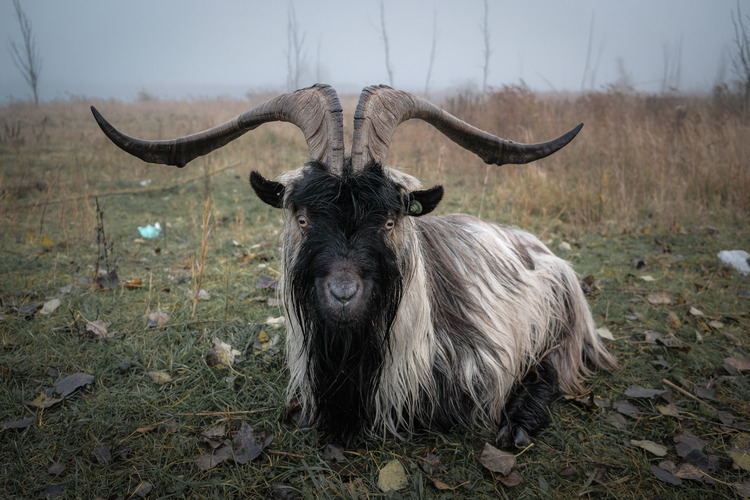
Many may assume that goat horns are just hollow bones. However, this isn’t correct. There are blood vessels and nerves within the horns, and the core is made of bone growing from the goat’s skull. This bone is covered by a layer of keratin, the vital component in hair, hooves, and claws. Like hooves or nails, goat horns never stop growing.
Purpose of Horns for Goats
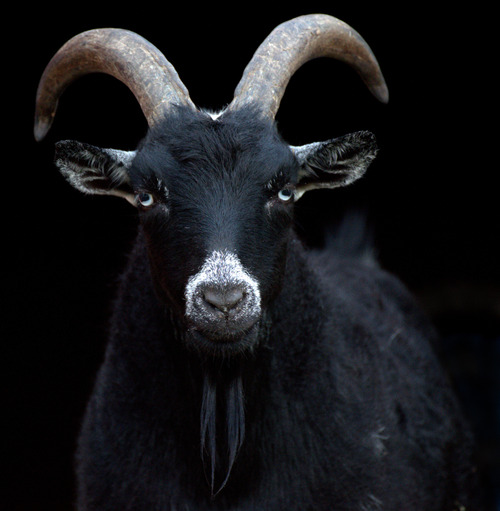
Goat horns serve a variety of purposes, such as communication and social dominance. In the wild (and on occasion on pasture), a goat, particularly a buck, will use its horns for defense. They may even help the regulation of body temperature, though there’s yet to be a study to prove this one way or the other.
Human uses of horns
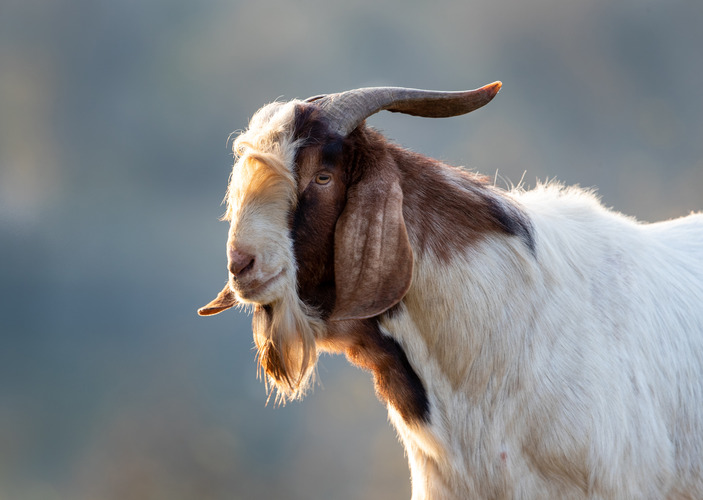
Goat horns have been used as musical instruments in art, literature, and religion; and as everyday household items for thousands of years. In some cultures, the horn was a symbol of abundance and was believed to be sacred.
Horns as music instruments
In ancient Nordic culture, the ‘bukkehorn’ was crafted from the horn of a buck and has been in use since the 10th Century. It was often used as an instrument for musicians (or a Skald). This ancient Scandinavian instrument has been used for centuries in Nordic folk music, herding calls, and as a symbol in Scandinavian culture
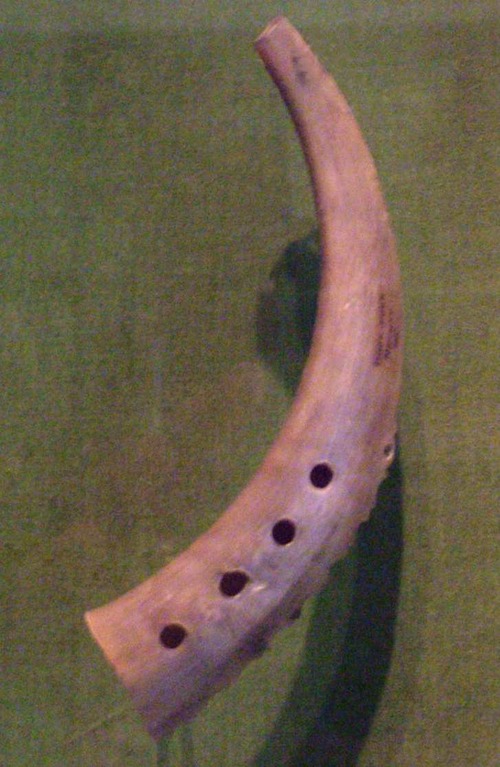
Aerophone-Lip Vibrated-horn Bukkehorn.
Metropolitan Museum of Art, CC0, via Wikimedia Commons. CC0 1.0 Universal Public Domain Dedication.
Another fascinating instrument is the ‘gemshorn,’ a type of vessel flute that’s similar to an ocarina. It was historically made from animal horns, including goat horns. It’s characterized by its conical shape, which is created by removing the end of the horn and plugging the opening, leaving a narrow gap for blowing. The name gemshorn comes from the German ‘gemse‘ (mountain goat) and “horn,” referring to the instrument’s origin as a chamois horn.
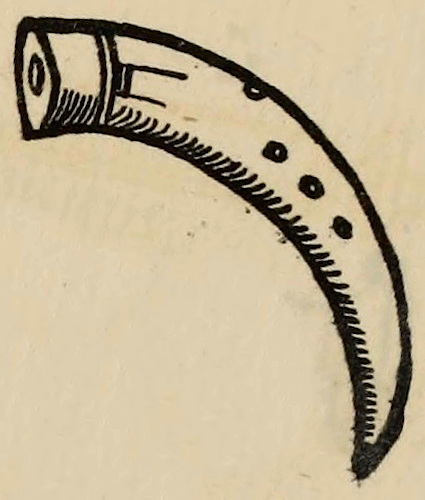
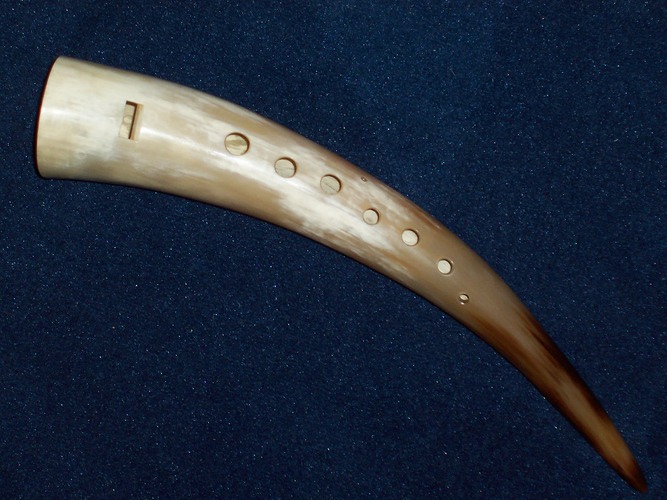
Credit: RiderOfRohan1981
Creative Commons Attribution-Share Alike 2.5 Generic, 2.0 Generic and 1.0 Generic license.
The ‘shofar’ is considered the most ancient of horn instruments, dating back to the first millennium BCE, and is referenced often in the Bible. Throughout history, the shofar has been a culturally significant part of Jewish life, used for music, religious ceremony, military signaling, and more. It’s still in use today, marking important holiday ceremonies, such as Rosh Hashanah and Yom Kippur.
Art and Literature
There’s a well-known symbol of abundance made of the goat horn: the cornucopia. In ancient Greece, this horn, overflowing with flowers, fruits, and grains, was a gift to Zeus. It was made from the horn of his wet nurse: a goat. As such a grand gift to the baby deity to eat from, the cornucopia thus became a symbol of abundance. Much, much later, the cornucopia became a symbol of American Thanksgiving.
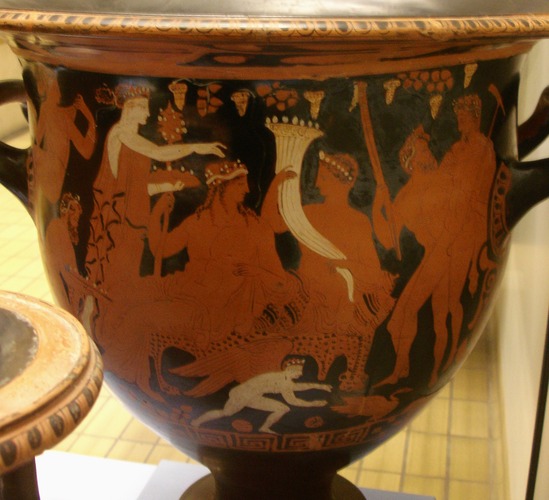
In ancient Persian culture, goats played an important part, representing many things ranging from strength to intelligence, and, depending on the tribe, the sun, moon, rain, and prosperity. The goat horn motif is seen often in their art, from paintings to fabrics, and represents blessings.
Horns as drinking vessels.
The first recorded usage of goat horns as drinking vessels wasn’t by the Vikings, though many would certainly assume so, given their notoriety. The Scythians seem to have started it, with their culture appearing somewhere between the 9th and 3rd centuries BCE. Following the Scythians, the Thracians adopted the idea and used goat horns as cups. Later, the Georgians used them as well. As far as we know, it wasn’t until the Middle Ages that Scandinavians used goat horns to drink from.
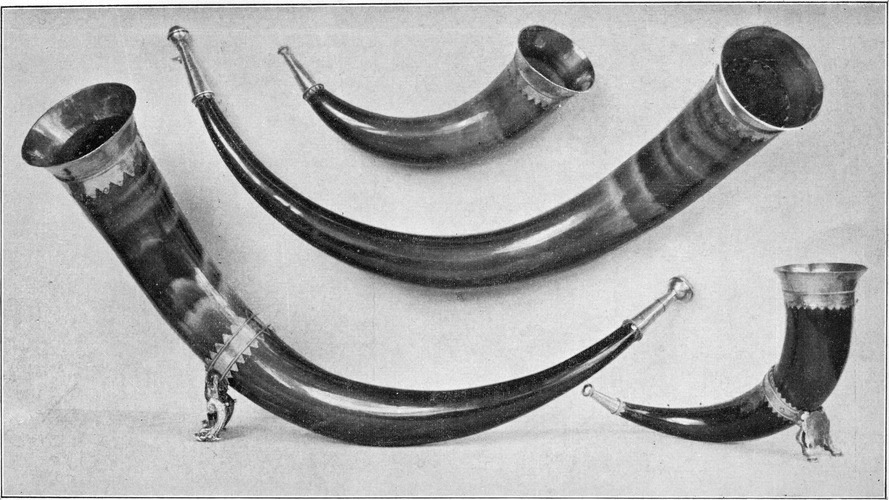
Anonymous Unknown author, Public domain, via Wikimedia Commons.
In each of these cultures, the horns weren’t exclusive to meal times and were also used in religious ceremonies, connecting the drinker with the divine.
Though still used today, the horn’s use as a cup is more often seen in a theatrical sense, ranging from documentaries to movies about certain Nordic god superheroes.
In 13th century Europe, the drinking horn became extremely popular among noble households and even the clergy. Although they’d become ceremonial by the 15th century, drinking horns were still given as gifts by the upper class.
Horns for communication
Over the millennia, goat horns have been used for their distinctive sound, which could be heard over a large area. Shepherds would use them to call across pastures or down mountains; hunters to signal when the prey was spotted; signalers in armies to alert or direct troops; leaders to gather a congregation.
Modern Uses
These days, most of us may not use horns to sound off in a hunt or in our personal religious ceremonies, but we still use them. Goat horns make excellent knife handles (and beautiful handles for eating utensils). They’re still used in art, though maybe not given the same reverence as in ancient times; the art is still gorgeous. I’m sure you’ll find something unique to create with them.
A Bond of Shared History
Across time, the goat horn has carried a deep meaning for us, connecting us through the physicality of hearing the call and to the divine in drink, ceremony, and art. Representing a bond between humans and goats, this symbol stands the test of time, gracing human heritage, culture, and spirit.
Karmin Garrison is a word nerd, herbalist, “accidental gardener,” and DIYer, living on a 1-acre almost-homestead in East Texas. When not magicking up words or chasing after kids and grandkids, she can be found wandering the woods, fishing, sewing, sharing wild stories, gallivanting across the South, or with her nose in a book. Sometimes she sleeps, but that’s usually on accident.
References:
- https://norseimports.com/blogs/news/what-does-the-drinking-horn-symbolize
- The Horns and Hooves of the Goat: A History of Istria and Its People by Robert Mansuri
- A Tale of the Bones by Stine Rossel, www.penn.museum’sies/expedition/a-tale of the bones/
- Goat Horns by Thomas Burnett, Abe Books
- Horn Growth in Mountain Goats, Oreamnos Americanus, Oxford Academic
- Livestock Conservancy 2022, www.livestockconservancy.org The Puzzle of a Horn, by Francesco Perono Cacciafoco, 2022
Lead Photo: Lead Photo AdobeStock/Dogphotos