Don’t Forget the Does
Kidding isn't just about the kids.
Reading Time: 4 minutes
Kidding isn’t just about ensuring that those cute baby goats are healthy and perky. A successful kidding also means that those precious new critters have dams that are able to raise healthy offspring. While bottle babies are adorable, they require significantly more input —financial and time —than their dam-raised counterparts. As we enter kidding season, there are several health considerations for does.
Though perhaps it should go without saying, nutrition is imperative for a healthy doe as she enters kidding. Appropriate body condition should be maintained throughout breeding and pregnancy. There are risks associated with being both underweight and overweight. While a Body Condition Score of 2.5 to 3.0 (out of 5) is ideal for breeding, adding a bit more flesh before kidding, with a Score of 3.0 to 3.5, is acceptable. In does that have multiples, managing this body condition can be challenging due to the increased demands of multiple fetuses. Separating does based on the number of fetuses they carry can help maintain the appropriate body condition going into kidding.
As does enter late gestation, the nutritional energy demands of the growing fetuses increase. Does with inappropriate body condition scores as they enter this stage are at increased risk for developing pregnancy toxemia, or ketosis. Though this condition can develop in any doe with inadequate nutritional intake during late pregnancy, entering this stage at the appropriate body condition and maintaining adequate intake greatly reduces the risk. Providing quality digestible feed in late gestation can help ensure does maintain health through kidding. This is especially true in high-lactating animals, as they are also at risk of toxemia during early lactation due to the increased demands of milk production.
While goats suffering from pregnancy toxemia are lacking in energy intake to support pregnancy, goats in late term gestation and early lactation can suffer from milk fever due to insufficient intake of calcium. Planning a diet for does as they near kidding should not only include the increased need for energy, but also meet the increased demand for calcium during gestation and lactation. This is especially true for dairy does with high milk production.
When considering the act of kidding, the focus is often on ensuring a healthy live kid. However, there are risks to the health of the doe as well as the kid during a dystocia. In addition to the risk of trauma with manipulation, does that require kidding intervention are at increased risk of retained fetal membranes, metritis, and even uterine prolapse. Dystocia management should be approached with this in mind. The perineum should be cleaned thoroughly prior to beginning any fetal manipulation, and manipulation should be performed only with a clean gloved hand. Because of the risk of trauma to the uterus, birth canal, and perineum, dystocia assistance should only be provided by experienced individuals. Excessive force or inappropriate placement of hands can easily result in severe damage to a doe.
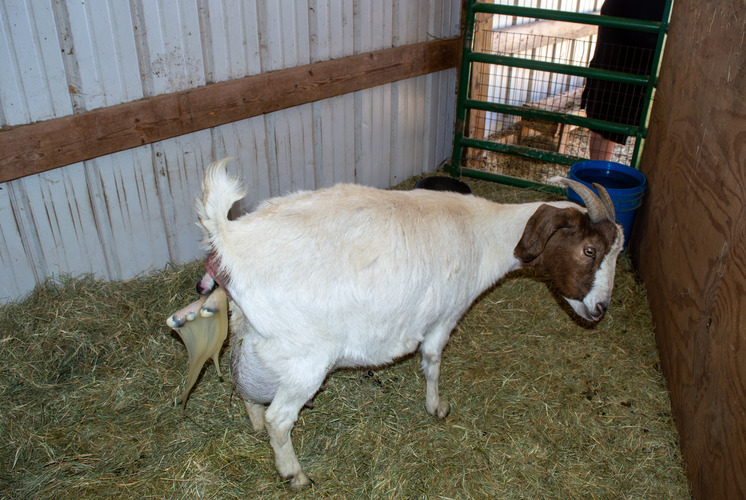
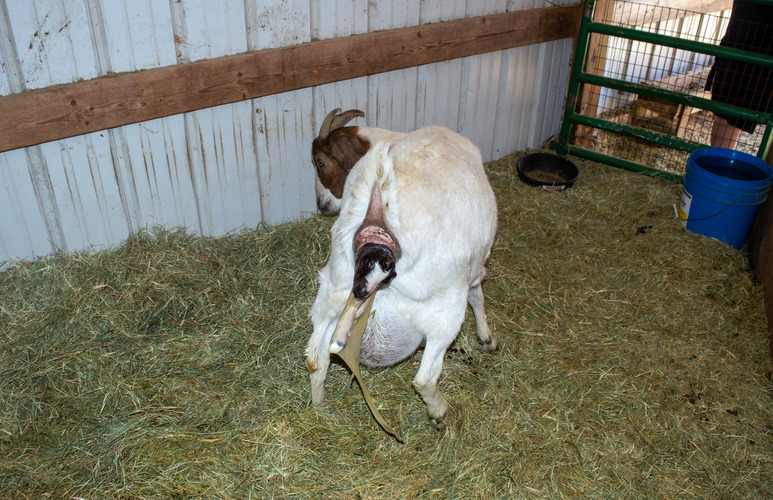
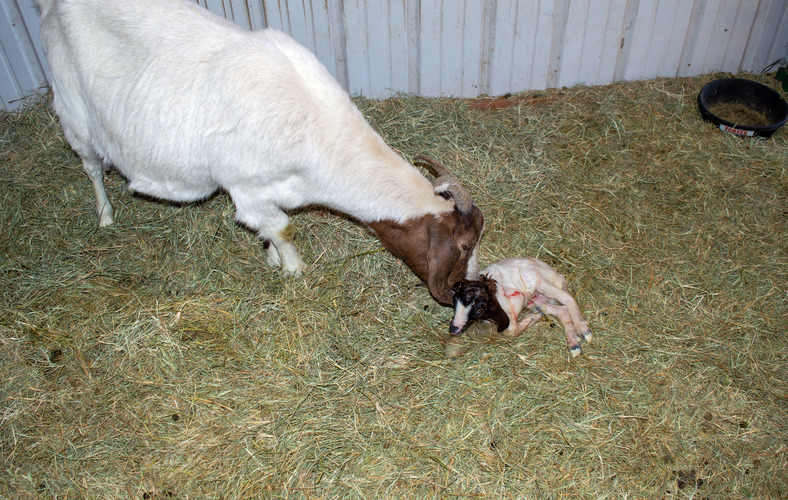
After the birth of kids, the doe is not yet done, as the placenta still must be expelled. The placenta, or fetal membranes, are considered retained if they are still not expelled from the uterus 12 hours after kidding. Monitoring for the passage of the complete placenta is imperative. Dystocia is not the only factor that results in increased risk of retained membranes. Yet again, nutrition also plays a large role in the increased risk of these conditions. A retained placenta greatly increases the risk of metritis, or uterine infection. Early and appropriate treatment of retained membranes can ensure the doe doesn’t develop infection and subsequent illness. Goats with metritis can develop fever, lethargy, and other signs of systemic illness. A sick doe can’t meet the demands of new kids. When faced with a retained placenta, the placenta should never be pulled, as that can result in tearing and incomplete expulsion. Consulting with your herd veterinarian can ensure that the doe receives appropriate care.
Following kidding, a doe must be able to produce milk in order to raise kids successfully. As discussed, lactation is nutritionally demanding for the doe. Appropriate nutrition is imperative for lactational success. After kidding, the udder should be assessed to ensure milk production and let-down are occurring, and teats are cleared of wax plugs. While it is hoped that udder abnormalities, such as hard bags, are identified prior to breeding, this is not always the case. In does with multiples, ensuring adequate production sufficient to meet the needs of the kids is also important. The udder should also be monitored for signs of inflammation and mastitis. In dairy does, appropriate cleaning procedures, such as pre- and post-milking teat dipping, should be instituted to reduce the risk of mastitis. When signs of mastitis are noted, treating appropriately and quickly can reduce the risk of long-term udder damage. Having an active relationship with your herd veterinarian will ensure that rapid treatment can be obtained.
While it’s easy to be distracted by caring for newborn goat kids, it is important to ensure your doe receives adequate attention. Having appropriate nutrition and a healthy body condition score for the doe going into kidding will greatly reduce the risk of complications. Physically assessing does at kidding and proceeding with proper care during a dystocia can further improve outcomes. Healthy does can raise healthy kids.
DR. KATIE ESTILL DVM is a veterinarian consultant for Goat Journal and Countryside & Small Stock Journal. She works with goats and other large livestock at Desert Trails Veterinary Services in Winnemucca, Nevada.
Originally published in the November 2025 digital issue of Goat Journal