heritage-goat-breeds
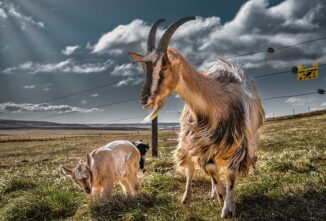
Breed Profile: Icelandic Goat
The Icelandic goat is the native landrace of Iceland which has survived through two near-extinctions and is now being recovered. It is multipurpose and unique in its genetic heritage.
Read More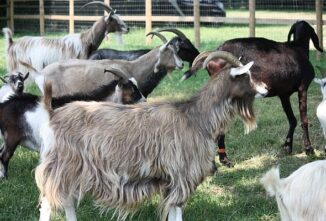
Goats Past and Future: Keeping Goats Healthy and Useful Sustainably
Our adaptable caprine friends have served us in many ways in the past, and their role is evolving, partly due to climate change and partly to do with societal changes. How can we ensure that they continue to thrive and succeed in the roles we give them?
Read More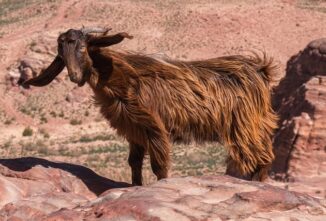
Breed Profile: Syrian Goat
Syrian goats are a group of Middle Eastern breeds often known as Black Bedouin or simply Black goats. They are known for their long lop ears, long hair (usually black), and excellent ability to conserve water.
Read More
Breed Profile: Pyrenean Goat
The Pyrenean goat is a hardy French breed of long-haired goat with long ears that traveled many miles and helped to nourish many post-war children. Read more about its history and current role in France.
Read More

Old Irish Goats Clear Brush and Prevent Wildfires
Old Irish goats clear brush and invasive species on the heathland of Howth Head, Ireland, protecting homes and wildlife and enriching natural biodiversity.
Read More
Breed Profile: Dutch Landrace Goat
The Dutch Landrace goat is a heritage breed that was almost lost, until conservationists rescued the only remaining family. The goats have now found a role in habitat conservation.
Read More
Breed Profile: Jämtget Swedish Landrace Goat
The Jämtget is an endangered heritage breed, pivotal to the revival of rural income from artisan dairy produce in Jämtland, Sweden.
Read More
Breed Profile: Payoya Goat
The Payoya goat is a heritage breed native to Andalusia, Spain, producing milk for artisan Spanish cheeses while managing natural landscapes.
Read More
Breed Profile: Moroccan Goats
Moroccan Black goats are the ancient landrace of Berber pastoralists, highly adapted to survival in the mountains in an arid climate, although severe drought has recently pushed them up into the trees.
Read More
Heritage Breeds Week: Endangered Goat Breeds
International Heritage Breeds Week shines a global spotlight on the conservation of heritage endangered goat breeds.
Read More