Featured Stories


Back from The Vet: Antibiotic Use in Goats
Antibiotics have been, and continue to be, a hot button item. Their use, especially in livestock, is becoming increasingly more controversial. As concern for antibiotic resistance rises, federal and state regulations are further restricting their use.
Read More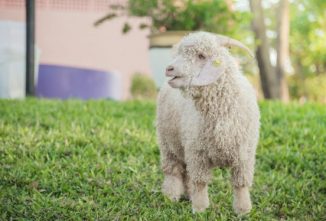
The Goats’ Journey
By Sophia Rotoli, age 11. My name is Starbeam. I am an Angora goat. I live with my mother, Moonleaf, and I have one brother, named Clover. We live in a small patch of forest in the middle of nowhere.
Read More
Goat Journal May/June 2020
The May/June 2020 issue of Goat Journal arrives in-home April 23rd, but Backyard Goats Members can read it now! Subscribe for valuable stories on using Lutalyse, human pregnancy risks when raising goats, proper dairy sanitation, a Breed Profile on Nubian goats, and new ideas to use up that extra milk!
Read More
Determining the Best Hay for Goats
When goats can’t browse, they need hay (3% to 4% of their body weight, per day) for their rumens to function properly. This can be fed free-choice or twice a day.
Read More
How to Raise Goats In Your Backyard
You’ve decided to get a goat or two and try them for awhile, but don’t know where to start. If you have never owned any livestock before, but want to learn how to raise goats in your backyard, getting started is a simple but big step.
Read More
How to Pasteurize Milk at Home
Learning how to pasteurize milk at home is just one facet of owning dairy animals. A crucial one.
Read More
A Tail to Tell
One of my favorite sights on the farm is when I greet our herd every morning at breakfast, and their tails wag! But sometimes their tails can tell us an entirely different story, and it’s one that you really want to pay attention to.
Read More
Goat Fecal Testing – How and Why
Learn how to perform goat fecal testing with the float test method to identify floating parasite eggs in livestock stool samples.
Read More
Selenium Deficiency and White Muscle Disease in Goats
With kidding season around the corner, it’s time to talk about selenium deficiency. Selenium deficiency in goats can cause white muscle disease in goats, also known as nutritional muscular dystrophy.
Read More
Understanding the Goat Digestive System
Throw out that old wive’s tale that goats can eat anything. Most health problems start within the goat digestive system. Ruminate on that!
Read MoreGoat Journal has Transitioned
Goat Journal Lives On with Countryside & Small Stock Journal
Goat Journal is no longer available as a standalone subscription, but its spirit and expertise live on within Countryside & Small Stock Journal. When you subscribe to Countryside, you also gain full access to Goat Journal's website and archive as a bonus — every article and back issue, plus members-only Goat Notes and more! And with Countryside as your guide, you’ll have the knowledge you need to live a more self-reliant, satisfying life.
- Raise healthy animals from pasture to plate
- Grow and preserve the most nutritious food for you and your family
- Cook simply and naturally
- Build things yourself and take pride in your handiwork
- Treat ailments naturally and take control of your own health and longevity
- Fix what is broken so you get the most out of your investments
- Create your own certainty in an uncertain world
- And more!

Canadian Subscribers • International Subscribers
Canadian subscriptions: 1 year (includes postage & GST)