Featured Stories

What to Do for a Goat Horn Injury
Horns crack, chip, and break. Depending on where in the horn this occurs, a goat horn injury can range from unremarkable to life-threatening.
Read More
Goat Leg Injuries that Sideline Your Caprines
Ask any goat herder. Goats will find a way to get into trouble. Goat leg injuries from climbing, horns hooked on fences, heads stuck in buckets, and the great escapes, goats will keep us on our toes.
Read More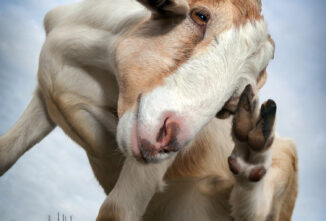
Common Goat Hoof Problems
Goat hoof problems can cause lameness and lead to economic losses due to reduced food intake/weight gain, reduced milk production, and/or lower reproduction rates.
Read More
What is the Best Hay for Goats?
Why should you approach goat feed with scientific precision? The answer is simple: To maximize the health of the animal. But what is the best hay for goats?
Read More
Kat’s Corner: Answers about What to Feed Goats
Kat’s Caprine Corner answers your pressing goat questions. In this issue: What to feed goats. And will poison hemlock hurt my animals?
Read More
Are You Feeding Straw or Hay for Goats?
If you dread choosing hay for goats, you are not alone … there is much to know about what to feed goats.
Read More
Breed Profile: Savanna Goats
Savanna goats are white South African meat goats that have adapted to the harsh environment of the African veld. They are hardy, fecund, and resilient in similar climates.
Read More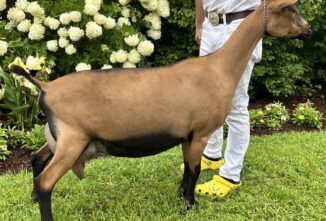
Breed Profile: Oberhasli Goat
The Oberhasli goat is a Swiss dairy breed with sweet milk and friendly nature. Wethers are bold and make excellent pack goats.
Read More
Saving the Arapawa Goats
“They’re a rare breed” is more than just an expression at a south-central Kansas zoo. Officials say the Arapawa “Island” Goat, also known as the New Zealand Arapawa goat, is one of the rarest in the world.
Read More
Goat Medications and First-Aid Must-Haves
Goats hurt themselves in so many ways. The medicine cabinet should include goat medications for treating external wounds like cuts, bruises, and sores. Goats may need internal first aid, too.
Read MoreGoat Journal has Transitioned
Goat Journal Lives On with Countryside & Small Stock Journal
Goat Journal is no longer available as a standalone subscription, but its spirit and expertise live on within Countryside & Small Stock Journal. When you subscribe to Countryside, you also gain full access to Goat Journal's website and archive as a bonus — every article and back issue, plus members-only Goat Notes and more! And with Countryside as your guide, you’ll have the knowledge you need to live a more self-reliant, satisfying life.
- Raise healthy animals from pasture to plate
- Grow and preserve the most nutritious food for you and your family
- Cook simply and naturally
- Build things yourself and take pride in your handiwork
- Treat ailments naturally and take control of your own health and longevity
- Fix what is broken so you get the most out of your investments
- Create your own certainty in an uncertain world
- And more!

Canadian Subscribers • International Subscribers
Canadian subscriptions: 1 year (includes postage & GST)