Goat Breeds

Breed Profile: Turkish Hair Goat
The Turkish Hair goat is native to Türkiye and is directly descended from the first Anatolian goats, which were domesticated in the area. They are extremely hardy, diverse, and multipurpose and a great asset to their people.
Read More
How African Goats Influenced America’s Breeds
How did the African goat become the roots of many common goat breeds in America? There are African origins in Spanish, Myotonic, SCI, Nubian, Pygmy, Nigerian Dwarf, Boer, and Savanna goats. Join us in the story of their migration to find out.
Read More
Breed Profile: Rove Goat
Rove goats are the most distinctive ruminants of southern France and possibly one of the oldest landraces. They excel in a pastoral system, leading flocks, providing cheese, and clearing brush.
Read More
Breed Profile: Argentine Criollo Goat
Argentine Criollo goats are hardy native breeds adapted to variable harsh conditions in northern and central Argentina and vital to rural economies.
Read More
Breed Profile: Mongolian Cashmere Goat
The Mongolian Cashmere Goat produces a valuable fine fiber, which provides a rural economy in a tough environment. Pastoralists face the challenge of sustainable farming in a degraded and changing ecology.
Read More
How Big Do Goats Get?
Baby goats, those adorable bundles of fuzzy playfulness, can steal your heart. But what happens when that cute bouncy kid grows up?
Read More
Breed Profile: Somali Goat
The Somali goat or Galla goat is a hardy breed of Somalia, Ethiopia, and Kenya whose incredible ability to survive the heat and drought, while continuing to produce, is vital to east African pastoralists.
Read More

Crossing Goat Breeds for Milk Production
Some people raise a particular goat breed for milk, some for meat, and still others for fiber. But many goat owners find that there are benefits to crossing certain goat breeds, depending on what their particular goals are, such as milk production.
Read More
Breed Profile: Savanna Goats
Savanna goats are white South African meat goats that have adapted to the harsh environment of the African veld. They are hardy, fecund, and resilient in similar climates.
Read More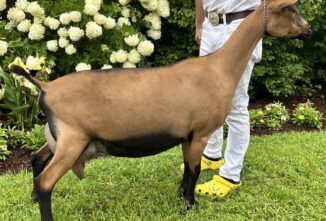
Breed Profile: Oberhasli Goat
The Oberhasli goat is a Swiss dairy breed with sweet milk and friendly nature. Wethers are bold and make excellent pack goats.
Read MoreGoat Journal has Transitioned
Goat Journal Lives On with Countryside & Small Stock Journal
Goat Journal is no longer available as a standalone subscription, but its spirit and expertise live on within Countryside & Small Stock Journal. When you subscribe to Countryside, you also gain full access to Goat Journal's website and archive as a bonus — every article and back issue, plus members-only Goat Notes and more! And with Countryside as your guide, you’ll have the knowledge you need to live a more self-reliant, satisfying life.
- Raise healthy animals from pasture to plate
- Grow and preserve the most nutritious food for you and your family
- Cook simply and naturally
- Build things yourself and take pride in your handiwork
- Treat ailments naturally and take control of your own health and longevity
- Fix what is broken so you get the most out of your investments
- Create your own certainty in an uncertain world
- And more!

Canadian Subscribers • International Subscribers
Canadian subscriptions: 1 year (includes postage & GST)