Featured Stories

Goat Fecal Testing – How and Why
Learn how to perform goat fecal testing with the float test method to identify floating parasite eggs in livestock stool samples.
Read More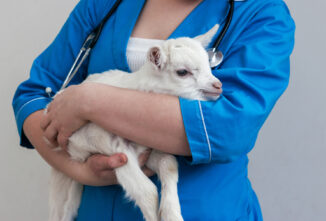
Selenium Deficiency and White Muscle Disease in Goats
With kidding season around the corner, it’s time to talk about selenium deficiency. Selenium deficiency in goats can cause white muscle disease in goats, also known as nutritional muscular dystrophy.
Read More
Understanding the Goat Digestive System
Throw out that old wive’s tale that goats can eat anything. Most health problems start within the goat digestive system. Ruminate on that!
Read More
Normal Goat Temperature and Goats Who Don’t Follow the Rules
Normal goat temperatures should range from about 101.5 to 103.5 degrees F. If my caprines temp below or above, I start investigating for an issue in progress.
Read More
Maintaining a Goat Coat That Shines!
What do goats feel like? A better question would be, “What are they supposed to feel like? Learn how to maintain a healthy coat for goats.
Read More
Goat Enrichment: The Importance of Mental Health
Goat enrichment provides stimulation of goats’ minds with emotional and health benefits. Positive emotions promote resilience and help goats to cope with life’s challenges.
Read More

Goat Horns and Hierarchy
Most goats, have horns naturally. They are used as tools to scratch, dig, forage, fight, and defend. Horns also dissipate body heat since the blood supply is very close to the surface.
Read More
Goat Journal Special Issue 2020 Goat Health from Head to Hoof
The Goat Journal Special Issue 2020 – Goat Health, from Head to Hoof – will be available for subscribers ONLY, in-home March 15th. But Backyard Goats members can read it NOW!
Read More
Goat Hoof Trimming
Typical goat hoof trimming should be completed every two to three months. Spring and fall are especially important, as folds in overgrown hooves can trap mud and moisture, creating the perfect environment for bacteria to invite rot and scald.
Read More
Preventing Hoof Rot in Goats
Foot rot and related foot scald cause soreness and limping. In severe cases, goats will try to walk on their knees. When you see goats limping, examine the hoof.
Read MoreSubscribe to Goat Journal Today!
Your Guide to All Things Goat!
Subscribe for valuable stories on goat health, written by veterinarians and experts. Learn training techniques for milk stands, pack goats, pulling carts, weed control, or just learn how to handle your pet goats in ways that don't promote aggression. Find tutorials on fencing, shelter construction, and feeding systems designed to avoid competition in your herds. And collect priceless information on how to save kids and dams during kidding season, so you are prepared when a need arises. Each issue is filled with research-based stories and actionable guidance, helping newbies and experts alike avoid costly and tragic mistakes.
Canadian Subscribers • International Subscribers
Canadian subscriptions: 1 year (includes postage & GST)